Scan our QR code to stay updated with the recent news and upcoming events.
Scan our QR code to stay updated with the recent news and upcoming events.

The Many Lives of Ink and Paper: Reflections on Cindy Ng Sio Ieng’s Artistic Practice, Courtesy of Manuela Lietti Art critic and curator (Italy) and Cindy Ng
Cindy Ng Sio Leng was born in Macau in 1966. After majoring in print-making, she moved to London in 1990 where she studied etching under Bartholomeu dos Santos, the Head of the Department of Etching in the Slade School of Fine Arts of London University, and mentored by James Wong. Cindy spent 3 years as an artist in residence at the British Museum.
She has held major solo exhibitions at Today Art Museum (2007, Beijing, China), Seattle Art Museum (2007, United States), Ju Ming Museum (2005, Taiwan), The Taipa Houses Museum (2004, Macao), and Taipei Fine Arts Museum (1996, Taiwan).
Cindy Ng has won several awards in some major audio-visual festivals and competitions in Japan, Italy, Portugal and Hong Kong. She and has participated in major group exhibitions including the video art exhibition Flower of Chaos at the Veneto Videoart Archive (2010, Italy), the 6th Annual Chinese Making Waves Contemporary Art Exhibition (Taiwan, 2009), and the Athens Video Art Festival (2009, Greece). Her work has also been sold at Christie’s Hong Kong Auction in 2017.
Cindy’s works were collected by some of the major art institutions and commercial enterprises around the world including Taiwan Museum of Art in Taiwan, Macau Art Museum (Macau), Today Art Museum (China, Beijing), as well as Intercontinental Hotel in Suzhou, Four Seasons and Grand Kempinski Hotels in Shanghai, Peninsula Hotel in Paris and many others.
Although ink painting on Xuan paper has existed in China since the Tang Dynasty (618-907 A.D.), it was during the Yuan Dynasty (1271-1368 A.D.) that the genre reached its height. The medium has since become a leitmotif of traditional Chinese art and a genre painstakingly explored and constantly referenced by many artists over the centuries. Because of its philosophical and aesthetic implications and despite the theoretical disputes that have animated Chinese cultural circles over the past few decades, Chinese ink painting (Shui mohua) has always been revered and cherished, but seldom considered part of the contemporary art world, not simply because of the new iconographic references it has accumulated, but also because of its semantic implications. The discussion of ink on paper has often been limited to the formal realm, instead of embracing the conceptual one. Cindy (Born in Macau, lives and works in Beijing) has contributed a rich and varied body of work to the genre, widening and updating the dialogue about this medium. In a daring yet visually compelling way, she revives this respected mode of expression, bridging the gap between tradition and contemporaneity and between aesthetic and conceptual needs. By doing so, she has breathed new life into a medium that might otherwise be considered ossified or traditional.
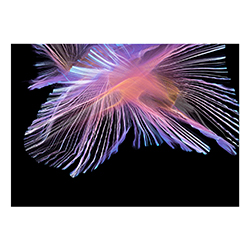
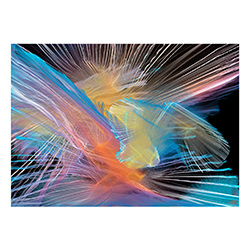
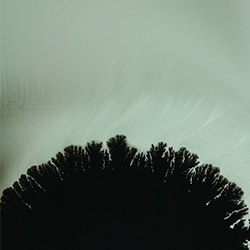
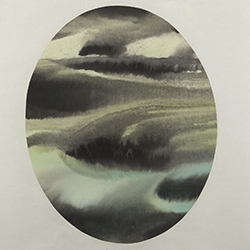
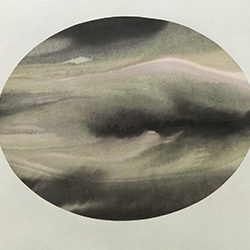
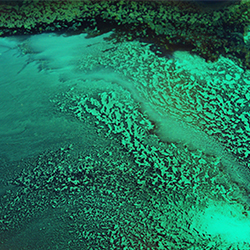
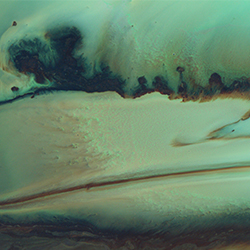
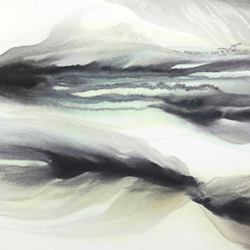
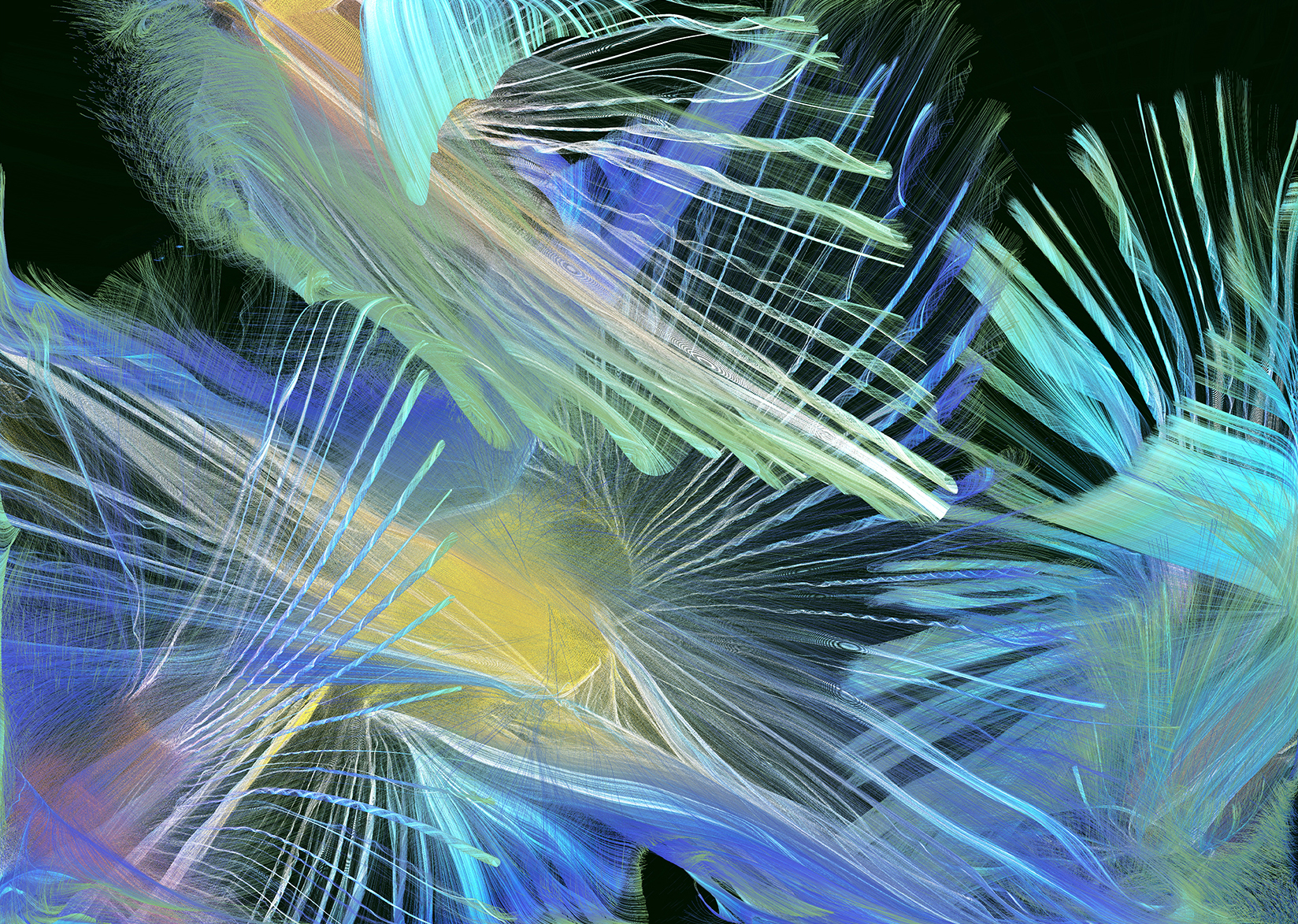
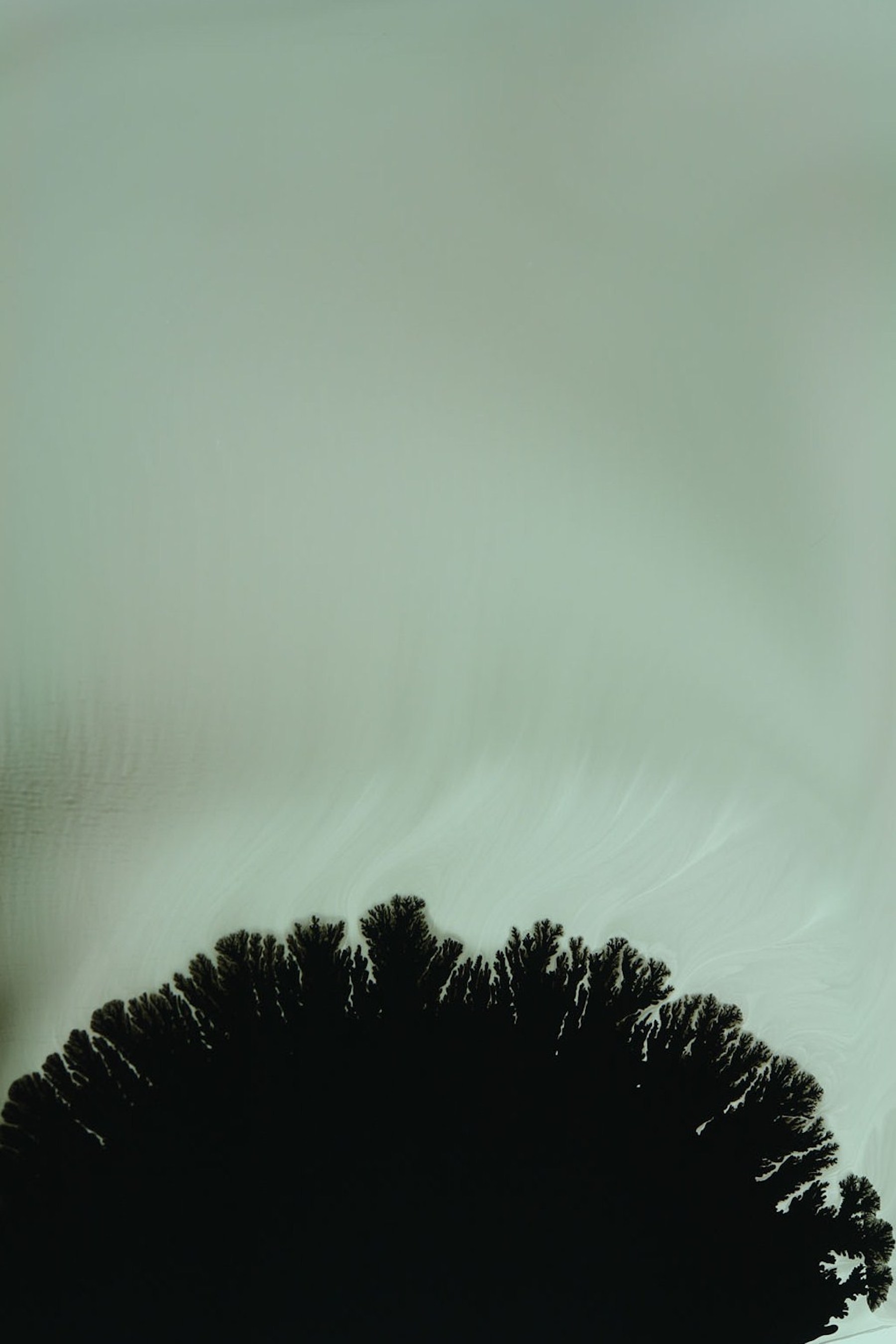
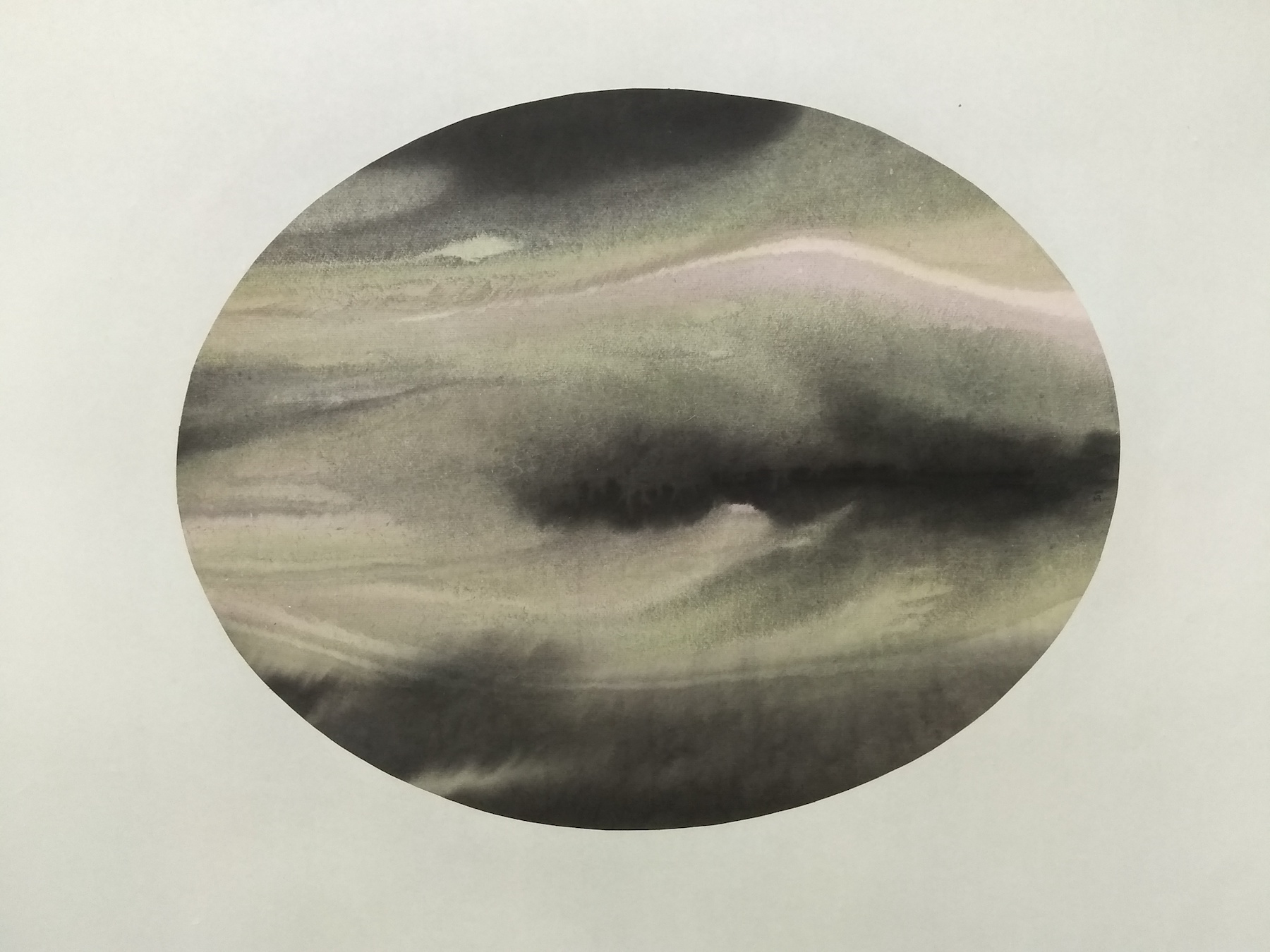
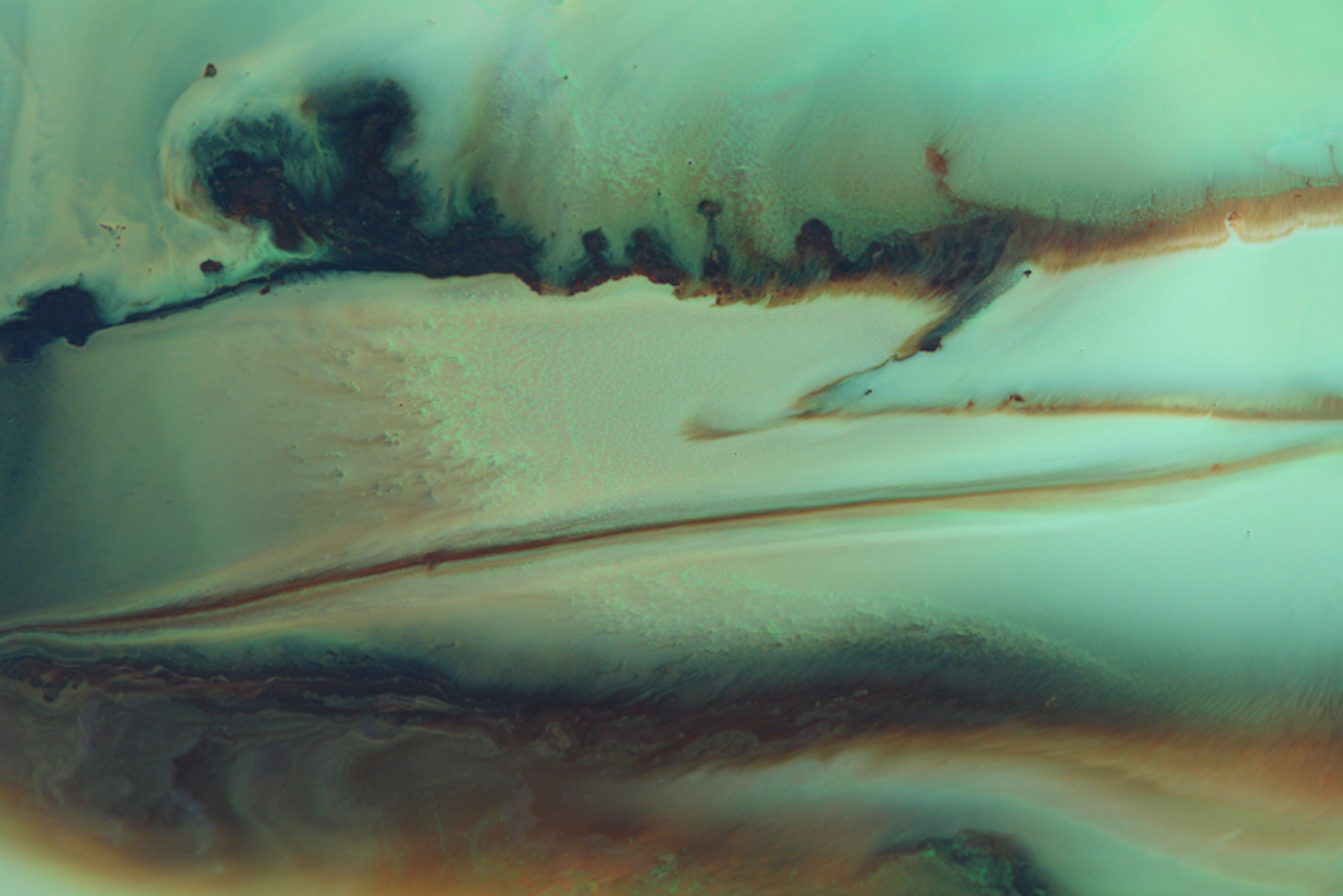
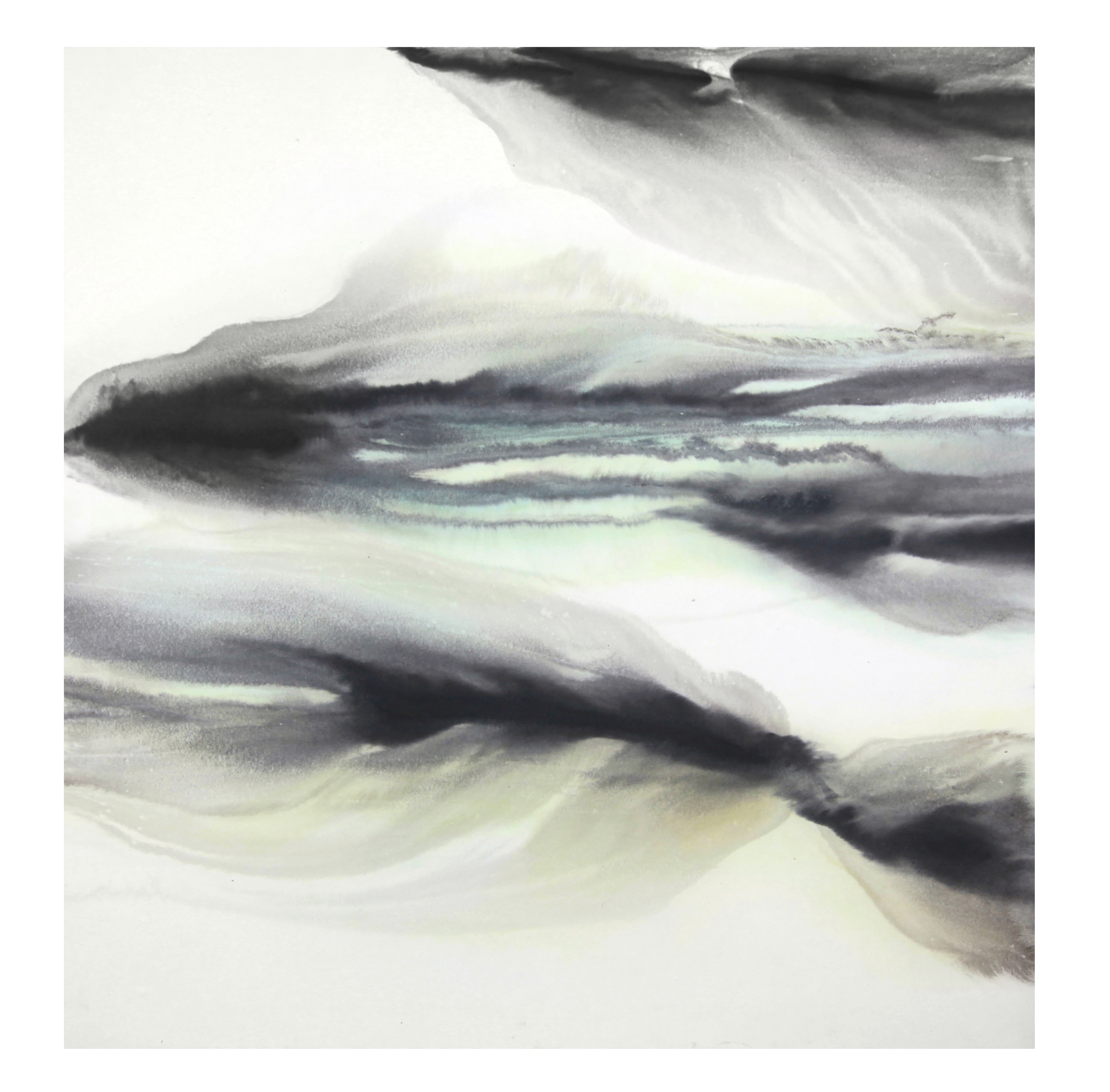
Cindy has been carrying out a silent revolution. She was educated in Macau, where she became familiar with etching, but she is artistically self- trained and nurtured by her travels around the world. A period of study in London in the early 1990s proved especially fruitful, as she was exposed to the wonderful ancient Chinese art collection at the study room of the British Museum. In her oeuvre, ink and paper are not simply eternal, sacred tools of tradition; they have become both the signified and signified of the dialogue between the work, the artist, and the contemporary world she inhabits. In her hands, the classic black and white of ink on paper is complemented with a varied palette, including shades of gray, green, yellow, blue, and violet, delicately mixed in a subtle yet unexpected way to create abstract forms and landscapes of the mind, where filled and empty spaces produce a strong visual tension and a specific rhythm that dominates the composition. It is no chance occurrence that these mind-scapes are totally devoid of any human presence and show no relation to a process of pure mimesis. These forms flow from the beauty of the ink, which is not just a tool, but a real protagonist; ink’s specific yet variable texture, once placed on paper, (as the artist has been doing since the early 1990s), can convey a whole array of feelings, ranging from calm to uncertainty, from loneliness to contentment.
Spontaneous changes in the ink seem to occur voluntarily on the chosen surfaces, but they are also controlled in such a subtle way that they perfectly echo the artist’s mental state. The viewer fully grasps the meditative mood of these pieces, which aim to evoke rather than represent. As a result, the viewer is invited to transform himself from peripheral onlooker to active participant by metaphorically stepping into these landscapes, getting lost within them, in order to redefine his own relationship with nature and the cosmos and come to a new appreciation of the ancient precept of supreme harmony, Tian Ren He Yi (the unity of man and nature). The artist’s simple, neat scenes may be a reaction to the cacophony of the outside world, becoming a refuge for the soul of both the artist and the viewer and offering visual and mental comfort.
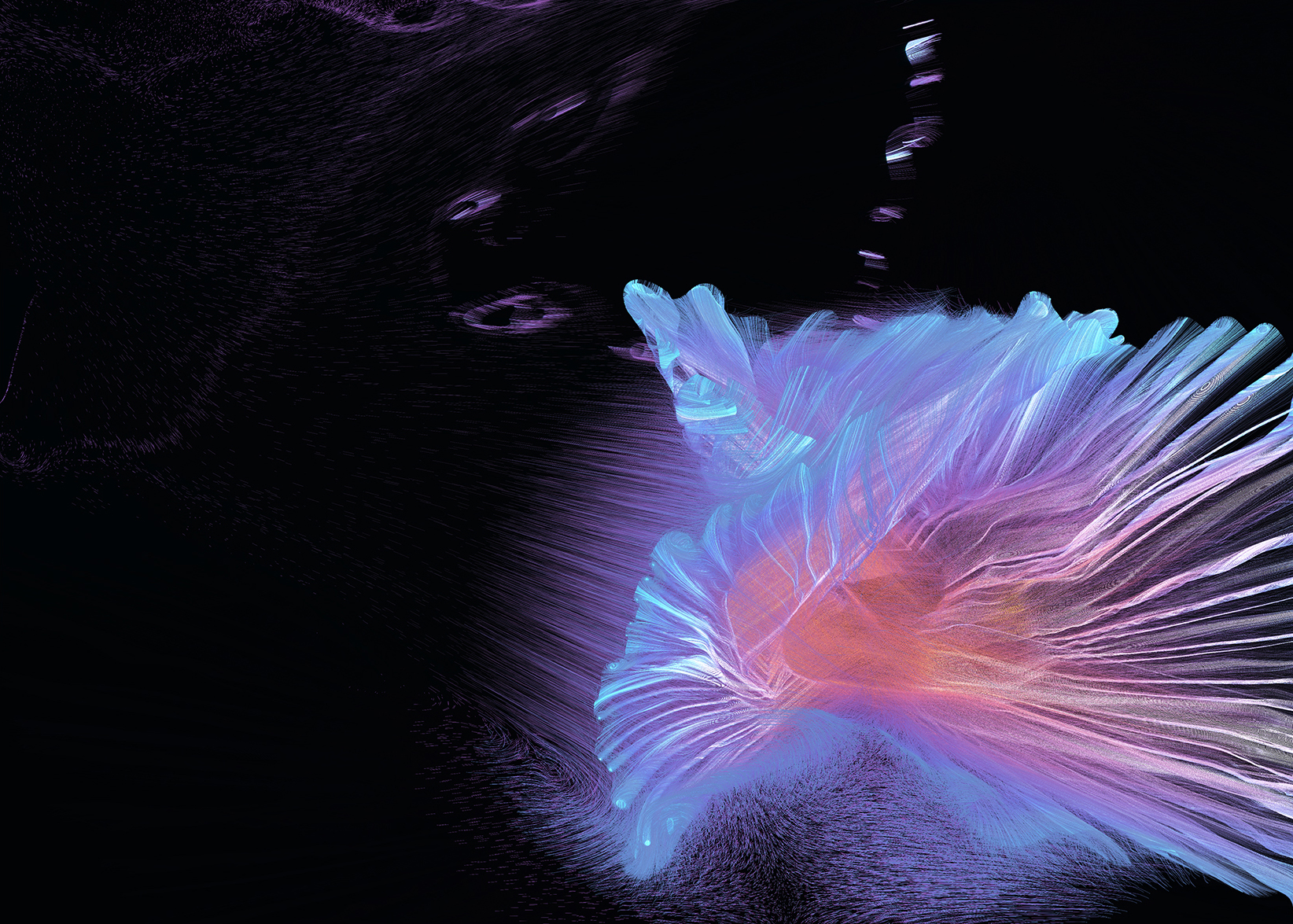
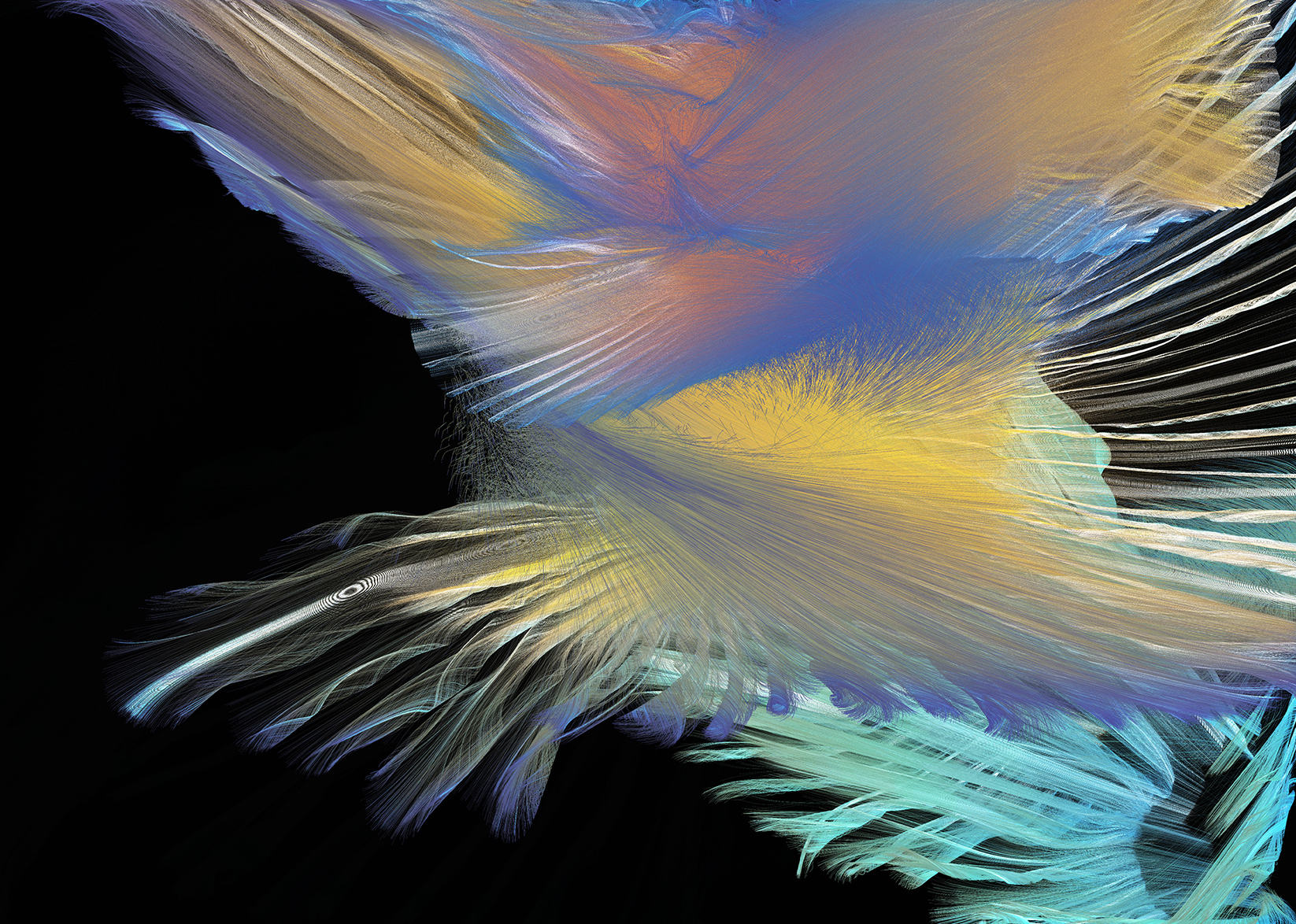
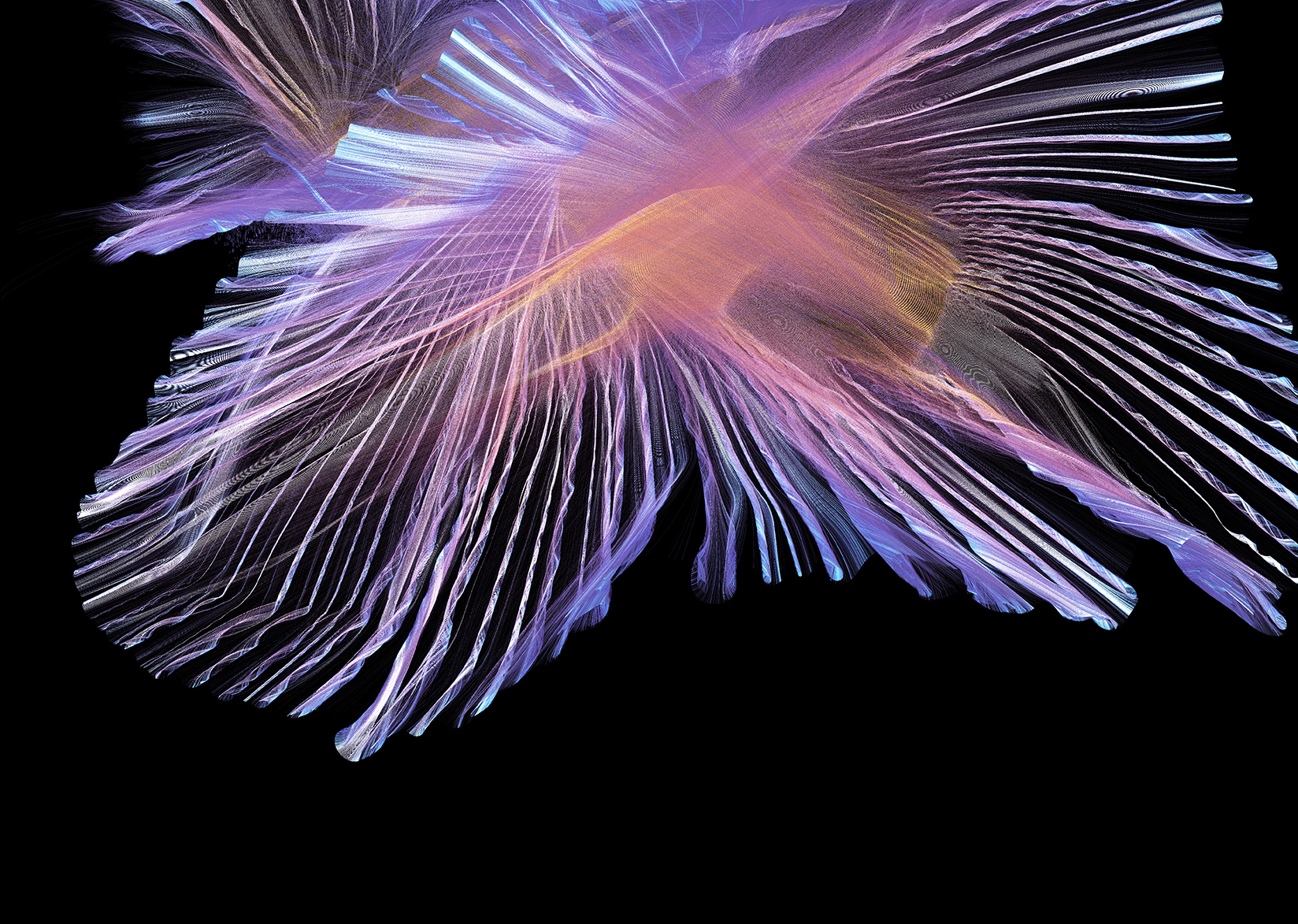
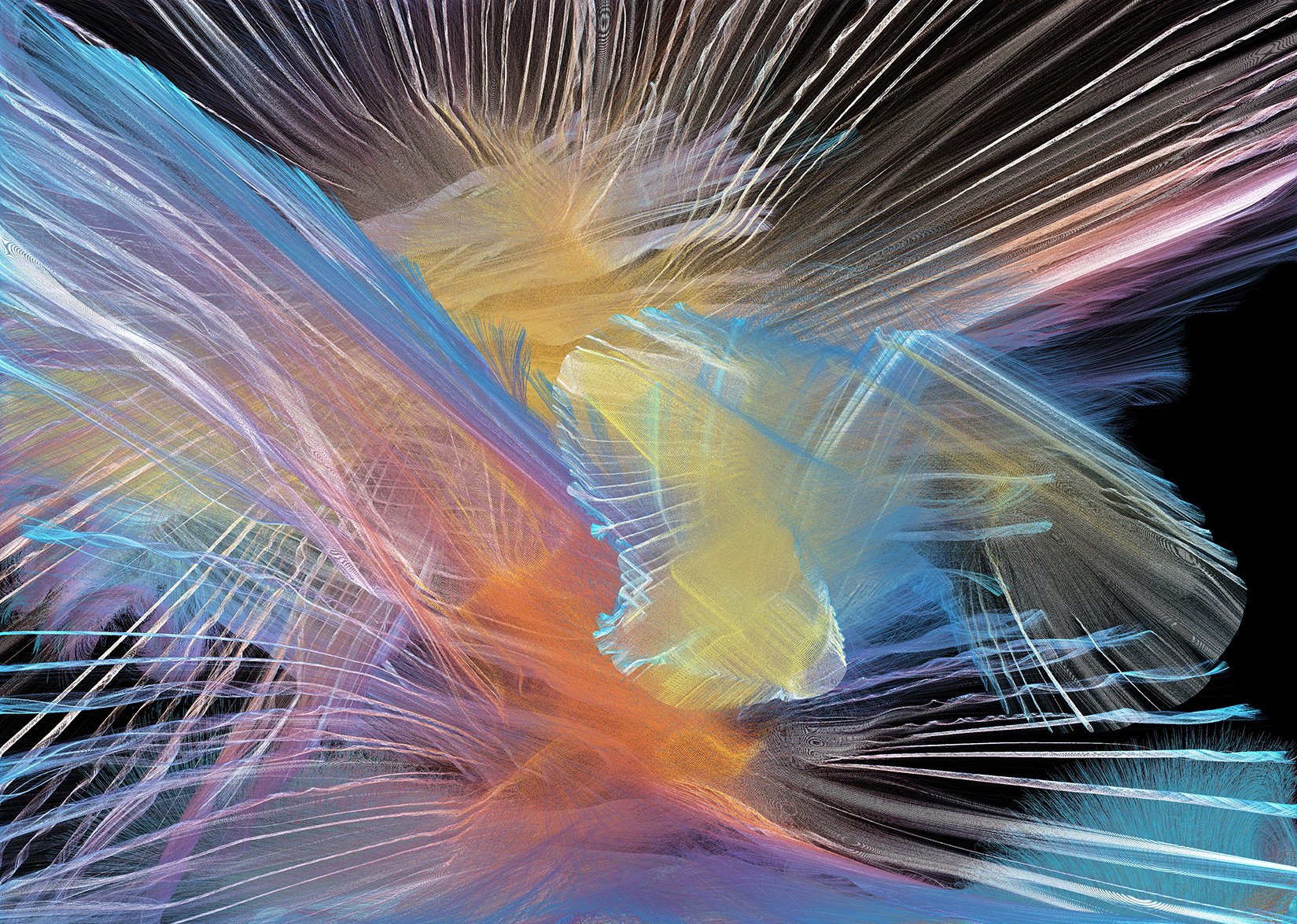
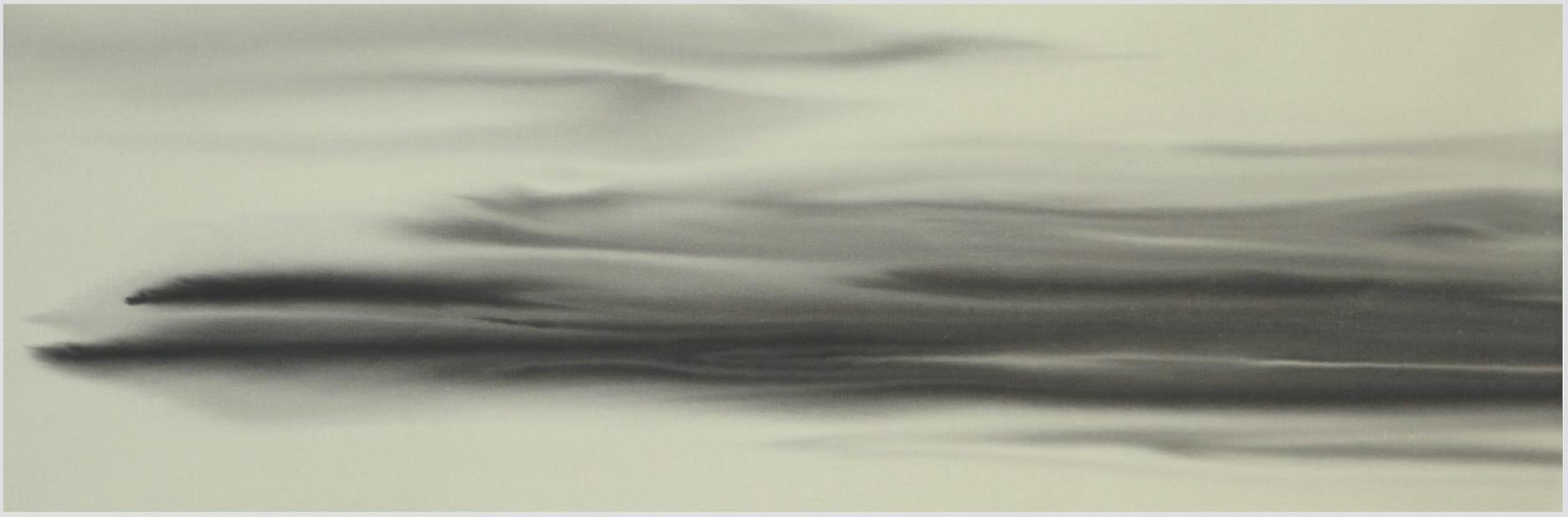
However, Cindy is far from surrendering to mere aestheticism; the various natural changes in the ink do not merely represent a safe aesthetic fascination; they also stand for a highly conceptual innovation. In her most daring pieces, the high and the low, the orthodox and the unorthodox, the natural and the artificial co-exist and influence one another, producing unexpected visual twists and turns that nevertheless create highly poetic and pensive compositions. The artist sometimes mixes ink with milk, coffee, and soy sauce and the effects of such unusual encounters are registered on various surfaces. The support chosen, whether Xuan paper, canvas, photograph, or even video, is not a mere backdrop, but the active recipient of a dialogue between materials and media, the visual proof that the artist believes ink to be not a static value inherited from tradition, but a dynamic force able to open up new possibilities and unexpected routes.



The Many Lives of Ink and Paper: Reflections on Cindy Ng Sio Ieng’s Artistic Practice, Courtesy of Manuela Lietti Art critic and curator (Italy) and Cindy Ng
Cindy Ng Sio Leng was born in Macau in 1966. After majoring in print-making, she moved to London in 1990 where she studied etching under Bartholomeu dos Santos, the Head of the Department of Etching in the Slade School of Fine Arts of London University, and mentored by James Wong. Cindy spent 3 years as an artist in residence at the British Museum.
She has held major solo exhibitions at Today Art Museum (2007, Beijing, China), Seattle Art Museum (2007, United States), Ju Ming Museum (2005, Taiwan), The Taipa Houses Museum (2004, Macao), and Taipei Fine Arts Museum (1996, Taiwan).
Cindy Ng has won several awards in some major audio-visual festivals and competitions in Japan, Italy, Portugal and Hong Kong. She and has participated in major group exhibitions including the video art exhibition Flower of Chaos at the Veneto Videoart Archive (2010, Italy), the 6th Annual Chinese Making Waves Contemporary Art Exhibition (Taiwan, 2009), and the Athens Video Art Festival (2009, Greece). Her work has also been sold at Christie’s Hong Kong Auction in 2017.
Cindy’s works were collected by some of the major art institutions and commercial enterprises around the world including Taiwan Museum of Art in Taiwan, Macau Art Museum (Macau), Today Art Museum (China, Beijing), as well as Intercontinental Hotel in Suzhou, Four Seasons and Grand Kempinski Hotels in Shanghai, Peninsula Hotel in Paris and many others.
Although ink painting on Xuan paper has existed in China since the Tang Dynasty (618-907 A.D.), it was during the Yuan Dynasty (1271-1368 A.D.) that the genre reached its height. The medium has since become a leitmotif of traditional Chinese art and a genre painstakingly explored and constantly referenced by many artists over the centuries. Because of its philosophical and aesthetic implications and despite the theoretical disputes that have animated Chinese cultural circles over the past few decades, Chinese ink painting (Shui mohua) has always been revered and cherished, but seldom considered part of the contemporary art world, not simply because of the new iconographic references it has accumulated, but also because of its semantic implications. The discussion of ink on paper has often been limited to the formal realm, instead of embracing the conceptual one. Cindy (Born in Macau, lives and works in Beijing) has contributed a rich and varied body of work to the genre, widening and updating the dialogue about this medium. In a daring yet visually compelling way, she revives this respected mode of expression, bridging the gap between tradition and contemporaneity and between aesthetic and conceptual needs. By doing so, she has breathed new life into a medium that might otherwise be considered ossified or traditional.
Cindy has been carrying out a silent revolution. She was educated in Macau, where she became familiar with etching, but she is artistically self- trained and nurtured by her travels around the world. A period of study in London in the early 1990s proved especially fruitful, as she was exposed to the wonderful ancient Chinese art collection at the study room of the British Museum. In her oeuvre, ink and paper are not simply eternal, sacred tools of tradition; they have become both the signified and signified of the dialogue between the work, the artist, and the contemporary world she inhabits. In her hands, the classic black and white of ink on paper is complemented with a varied palette, including shades of gray, green, yellow, blue, and violet, delicately mixed in a subtle yet unexpected way to create abstract forms and landscapes of the mind, where filled and empty spaces produce a strong visual tension and a specific rhythm that dominates the composition. It is no chance occurrence that these mind-scapes are totally devoid of any human presence and show no relation to a process of pure mimesis. These forms flow from the beauty of the ink, which is not just a tool, but a real protagonist; ink’s specific yet variable texture, once placed on paper, (as the artist has been doing since the early 1990s), can convey a whole array of feelings, ranging from calm to uncertainty, from loneliness to contentment.
Spontaneous changes in the ink seem to occur voluntarily on the chosen surfaces, but they are also controlled in such a subtle way that they perfectly echo the artist’s mental state. The viewer fully grasps the meditative mood of these pieces, which aim to evoke rather than represent. As a result, the viewer is invited to transform himself from peripheral onlooker to active participant by metaphorically stepping into these landscapes, getting lost within them, in order to redefine his own relationship with nature and the cosmos and come to a new appreciation of the ancient precept of supreme harmony, Tian Ren He Yi (the unity of man and nature). The artist’s simple, neat scenes may be a reaction to the cacophony of the outside world, becoming a refuge for the soul of both the artist and the viewer and offering visual and mental comfort.
However, Cindy is far from surrendering to mere aestheticism; the various natural changes in the ink do not merely represent a safe aesthetic fascination; they also stand for a highly conceptual innovation. In her most daring pieces, the high and the low, the orthodox and the unorthodox, the natural and the artificial co-exist and influence one another, producing unexpected visual twists and turns that nevertheless create highly poetic and pensive compositions. The artist sometimes mixes ink with milk, coffee, and soy sauce and the effects of such unusual encounters are registered on various surfaces. The support chosen, whether Xuan paper, canvas, photograph, or even video, is not a mere backdrop, but the active recipient of a dialogue between materials and media, the visual proof that the artist believes ink to be not a static value inherited from tradition, but a dynamic force able to open up new possibilities and unexpected routes.

Cindy Ng Sio Ieng was born in Macau and raised in Macau and Hong Kong
Solo exhibitions
2023 “Go with the Time “Cindy Ng Solo Exhibition”, TanKo Art Museum, Beijing
2018 “Spring tide” Cindy Ng Solo Exhibition”, Chi Ni Gallery, Taipei
2017 “Flowing Light Cindy Ng Solo Exhibition”, Riverside Art Museum, Beijing
2015 “So Far, So Close Cindy Ng Solo Exhibition”, Orient Foundation Museum,
Portugal
2015 “Inkality Cindy Ng Solo Exhibition”, Galerie Ora-Ora, Hong Kong
2014 Works by Cindy Ng Sio Ieng, Solo Exhibition, The Exhibition Hall of the
UNESCO Centre, Macau
2013 “Ink-formation Cindy Ng Solo Exhibition”, Galerie Ora-Ora, Hong Kong
2007 “Ink in Motion Shadow”, Today Art Museum, Beijing
2007 “Ink in Motion”, Seattle Art Museum, Seattle
2005 “Peace”, Ju Ming Museum, Taiwan
2004 “Sounds of Silence”, Amerasia Bank Gallery, New York
2004 “Sounds of Silence”, The Taipa Houses - Museum, Macau 1996 “Traveling”,Taipei Fine
Group Exhibitions
2026 "Let's Stay Together" Contemporary Art Exhibition, Shanghai
2024 "The Glory of Ink - From Lingnan School of Painting to Contemporary Ink
Painting Exhibition" - Shenzhen Art Museum, Shenzhen
2023 “Digital Paradise”, Digital Art Exhibition, Sanya
2022-2020 “Wild Imagination-Contemporary Ink Art in Guangdong-HongKong-
Macao”, Macao Museum of Art and Guangdong Museum of Art.
2022 “Finding Season”, Macau City Fringe Festival, Macau
2021 NFT Art Week, Beijing, ShenZhen
2021 “The Mountains of the Endness-Chinese Ink Yearbook Exhibition”, An Art
Museum, Beijing
2021 “Yi Tai Sculpture & Installtion Projects, Art Central, Hong Kong
2021 “Multi-prismatic Mutual Views: International Invitational Exhibition
of Contemporary Art, Macao Museum of art.
2020 “Wild Imagination-Contempory Ink Art in Guangdong-HongKong-
Macao ”Guangdong museum of art.
2020 “ARTFEM2020“ARTFEM Women Artists International Biennial of Macau”
2018 “Amplified” Juri Markkula and Cindy Ng exhibition, Galerie Ora-Ora, Hong
Kong
2018 “Art is play”exhibition, MGM Hotel, Macau
2018 “Virtual” Beijing Hong Kong Macau# ink new media, Yan Huang Art Museum,
Beijing
2017 “Luminous Shadows” Ink studio, Beijing
2016 “Futuristic Ink” , Liang Yi Museum, Hong Kong 2015 “Calligraphic Time and
Space” Abstract Art in China, Power Station of Art, Shanghai
2015 “Emptiness: The Dialogue of Landscape” Contemporary Ink Art Exhibition,
Ming Yuan Art Museum, Shanghai
2015-2016 “Ink Remix” Contemporary Art from Mainland China, Taiwan and HK
Canberra Museum and Gallery, Bendigo Art Gallery, University of NSW Gallerie,
Sydney and the Museum of Brisbane, Australia
2015 “Spirit-Resonance” A New World of Ink Painting Exhibition, Robin Gallery,
New York
2015 “Silent Poetry” Chinese Contemporary Art Exhibition, China Cultural Centre,
Sydney and Adelaide Festival Centre, Adelaide
2014 Chinese Contemporary Youth Ink Yearbook Exhibition, Beijing
2014 The 3rd Documentary Exhibition of Fine Arts, Hu Bei Museum of Art
2014 Macau Artists Exhibition, National Museum of China, Beijing
2012 “Dream Flowers” Exhibition, Red Zone Gallery, Switzerland
2012 Mixed Media Exhibition, Austin Tung Gallery, Australia
2011 “Tao of Nature” Chinese Abstract Art Exhibition, Museum of Contemporary
Art, Shanghai
2011 Cao Chang Di Photo Spring: Arles in Beijing, Beijing
2010 “Time Unfrozen” New Media Art Exhibition, Taipei Fine Art Museum, Taiwan
2010 “Flower of Chaos” Video Art Exhibition, Video Art Verona, Italy
2010 “Making Waves“ Contemporary Art Exhibition,The 6th Chinese Character
Festival, Taiwan
2008 GrünDerZeit - Landschaftsarchitektur in und aus Peking, Institute of cultural
foreign relations, Germany
2007 Videonale 11, Festival for Contemporary Video Art, Germany
2007 The 3rd Chengdu Biennial, Chengdu
2006 The 5th International Ink Painting Biennial of Shenzhen, Guan Shan Yue
Museum of Art, Shenzhen
2006 “Entry Gate: Chinese Aesthetics of Heterogeneity” The 1st envisage, Museum
of Contemporary Art, Shanghai
2005 “Unseen History” Art of Kaohsiung, Kaohsiung Museum of Fine Arts, Taiwan
2005 “Macao Image” Daejeon Fast, Daejeon
39
Awards
2014 Artist in Residence, Covela Wine project, Portugal
2006 The 10th Media Arts Festival Jury Recommended Work, Japan
2006 Artist in Residence, Grass Maintain Chateau, Taiwan
2005 The 10th “V-art” International Video-Art Festival Selected Finalist, Italy
2005 The 2nd Audiovisual festival B&W Selected Work-Experimental Video,
Portugal
2004 The 3rd Runner-up in The 18th Art Competition The 2nd Runner-up in
painting Philippe Charriol Foundation, HK
Collections:
Today Art Museum, Beijing
Hu Bei Museum of Art
Guan Shan Yue Museum of Art, Shenzhen
Macao Art Museum, Macao
Taiwan Museum of Art, Taiwan
New Taipei City Hospital, San Chong Branch, Taiwan
Fongshan Railway Station, Kaohsiung, Taiwan
Cathay Pacific lounge Tao Yuan International Airport, Taiwan
Cathy Pacific lounge, Hong Kong International Airport, Hong Kong
Bank of China, Hong KongN
Da Dong, Time Square, New York City
Peninsula Hotel, Paris
Kerry Centre Hotel, Beijing
The Sukhothai Hotel, Shanghai
China Europe International Business School, Shanghai
Louis Vuitton, Shanghai
Grand Kempinski Hotel, Shanghai
Four Seasons Hotel Pu Dong, Shanghai
Intercontinental Hotel, Suzhou
Shen Zhen Xitou Metro Station