Scan our QR code to stay updated with the recent news and upcoming events.
Scan our QR code to stay updated with the recent news and upcoming events.
2026.05.14-06.16
Art+Shanghai Gallery presents <Gyre>, a solo exhibition showcasing the new works of artist Mao Yanyang毛艳阳. The Phantom Flow series marks a significant transformation in both his artistic language and creative process. Moving away from the carefully planned compositions of his earlier paintings in the Theater Series, his new works abandon this completely in favor of a “return to human imagination.” Unfamiliar yet strangely recognizable figures, amorphous imagery, and layered surfaces create the impression of forms caught within a continuous state of change, as though they are slowly evolving toward a final stage of realism and recognition. The paintings pull the viewer into a gyre or whirlpool of the artist’s memories, imagination, and emotions. It is from this continous movement and one of his painting’s title that the exhibition name <Gyre> takes its meaning.
For Mao, this shift is closely connected to the conditions of our contemporary life. The rapid rise of artificial intelligence, social media, and the endless flow of digital imagery fundamentally altered the way images are consumed. Our visual experience has become increasingly fast and difficult to fully absorb. Images no longer require searching; they arrive constantly, accumulating faster than they can be emotionally processed. Rather than competing with the speed and perfection of digital imagery, Mao deliberately wades in the opposite direction with Phantom Flow.
Mao Yanyang resists immediacy by creating paintings that cannot be understood at first glance. He consciously interrupts the painting through layering and suprising elements, forcing the viewer to slow down and remain within uncertainty what exactly it is the painting is portraying. Shapes hover between absurdism and abstraction: a bodily fragment, an animal-like silhouette, or a familiar gesture may briefly emerge before dissolving back into paint. The eye is never allowed to move smoothly across the surface. Instead, viewers are invited to pause, search, and discover hidden pieces over time.
This sense of instability is also reflected in Mao’s work method. In his earlier Theater Series, he approached painting like a true stage director, carefully planning the mise-en-scène of his paintings. In Phantom Flow, however, Mao abandons preparatory work almost entirely. He lets intuition, memory, and imagination guide the work, resulting in a visual language that feels almost Kafkaesque in nature. Rather than deciding in advance what a painting should become, he allows forms to emerge and become what they want.
“There is no logical relationship between these images, yet they coexist naturally inside me- like in dreams, where objects from different times and spaces become strangely entagled.”
For Mao Yanyang, both materials and colors are equally important to his artistic practice. Mao paints primarily on linen canvas with hand-prepared grounds, emphasizing the physical relationship between pigment and surface. Thick layers of oil paint, scraped textures, and partially visible underlayers preserve traces of his revisions and hesitiations during his creative process. Color functions emotionally rather than symbolically: muted greys and pale whites create emptiness and distance, while sudden bursts of orange or saturated tones interrupt the surface like flashes of his memories or sensation.
Although the works often approach abstraction, Mao deliberately resists becoming fully abstract. Fragments of strangely recognizable imagery remain as a foundation within the compositions, allowing viewers to move between familiarity and uncertainty. In this way, Phantom Flow mirrors how we consume images online: constantly moving, overloaded with information, yet emotionally unsettled.
At a moment when artificial intelligence can generate endless “perfect” images, Mao Yanyang’s paintings show how imagination, memory, and emotion remain the determining forces of true art. <Gyre> invites the viewer to linger, to navigate uncertainty, and to encounter figures and forms as they are still in the process of becoming.
“In an age when everything can be automatically generated, human uncertainty is the most valuable thing left to paint.”
Mao Yanyang was born in 1980 in Hunan, China and currently resides in Chongqing. He received his M.A. degree from the Oil Painting Department of the Sichuan Fine Arts Institute and teaches at the Design Academy of Sichuan Fine Arts Institute, while also being part of the Chongqing Artists Association. His works have been widely exhibited in China and internationally, recent solo exhibitions include Vague (Xun Gallery, Taiyuan, 2023), Mao Yanyang: I am where I can think of (Gallery MC, Shenzhen, 2022) and Gap (Xu Art Space, Chongqing, 2022). Internationally, he has been exhibited in the UK with The World of Media (Chinese Art Center, Manchester, 2008) and during group exhibitions in Japan during The 35th AJAC Exhibtion (Tokyo Metropolitan Art Museum, 2009) and in Australia during the Southwest China- The Power of Growth (Asian Arts Center, Sydney, 2017).
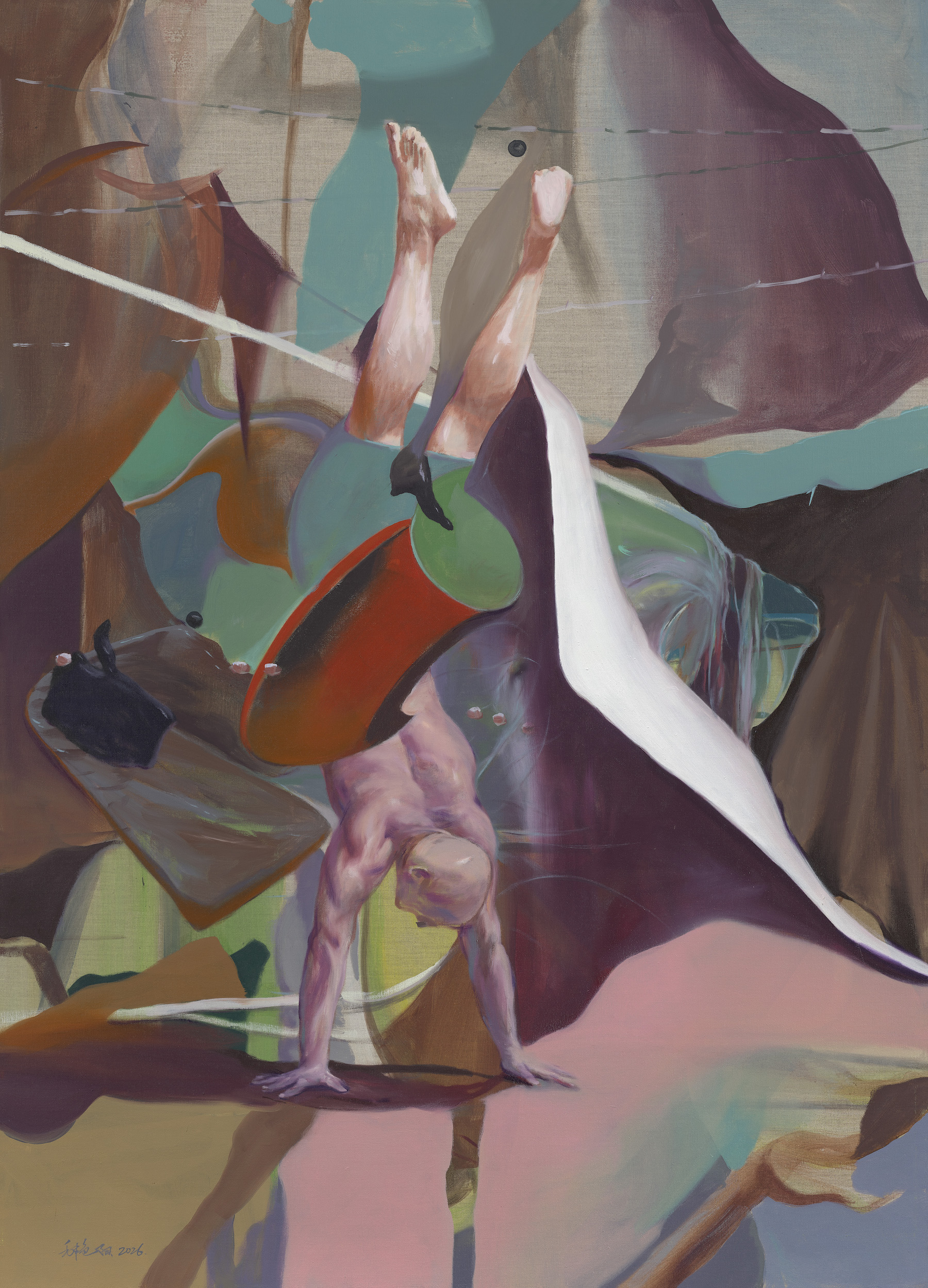
倒立的悬崖 Inverted cliff 布面油画 Oil on Canvas 161*116 cm 2026
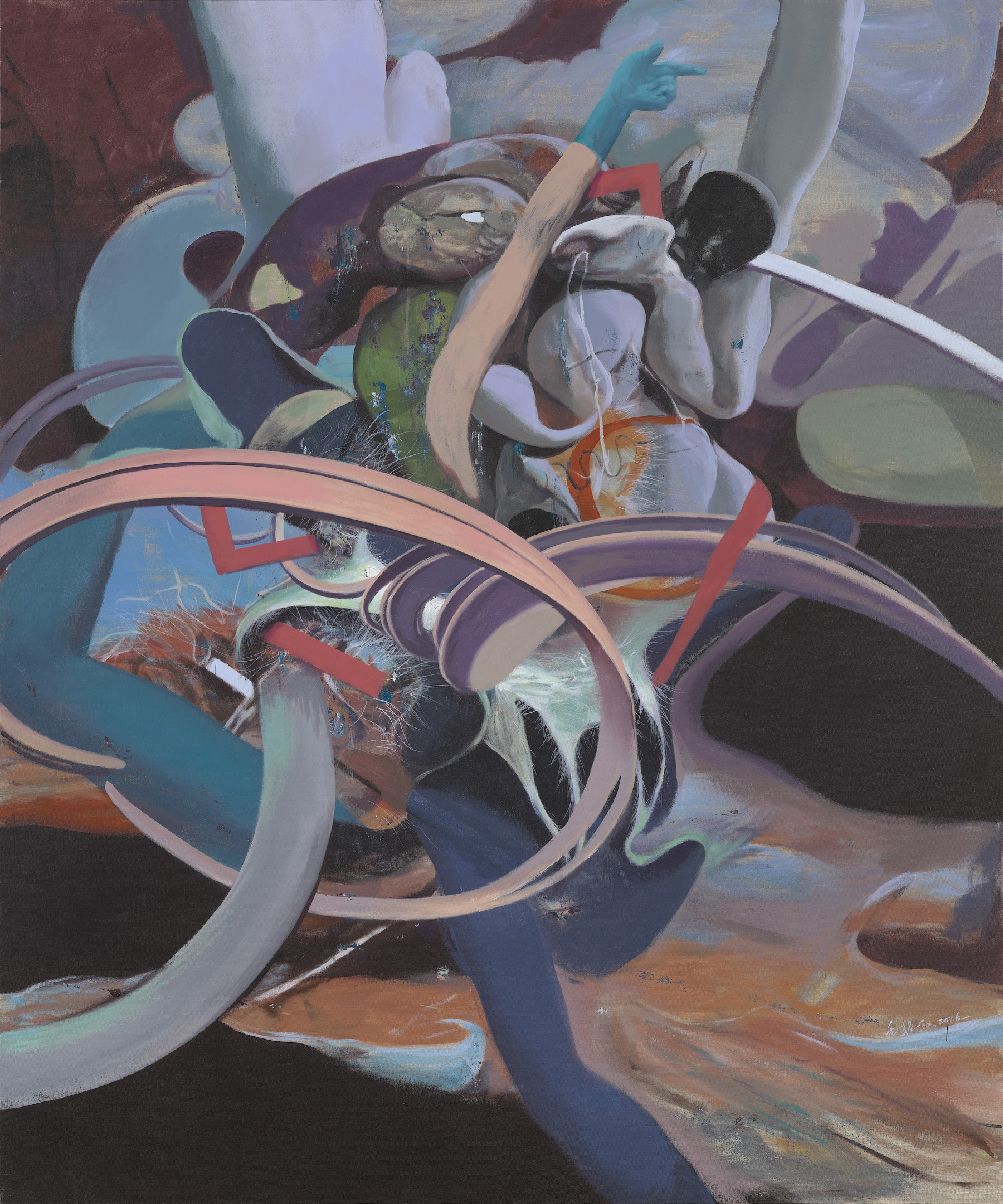
回忆漩涡 Recollection Vortex 布面油画 Oil on Canvas 180*150 cm 2026
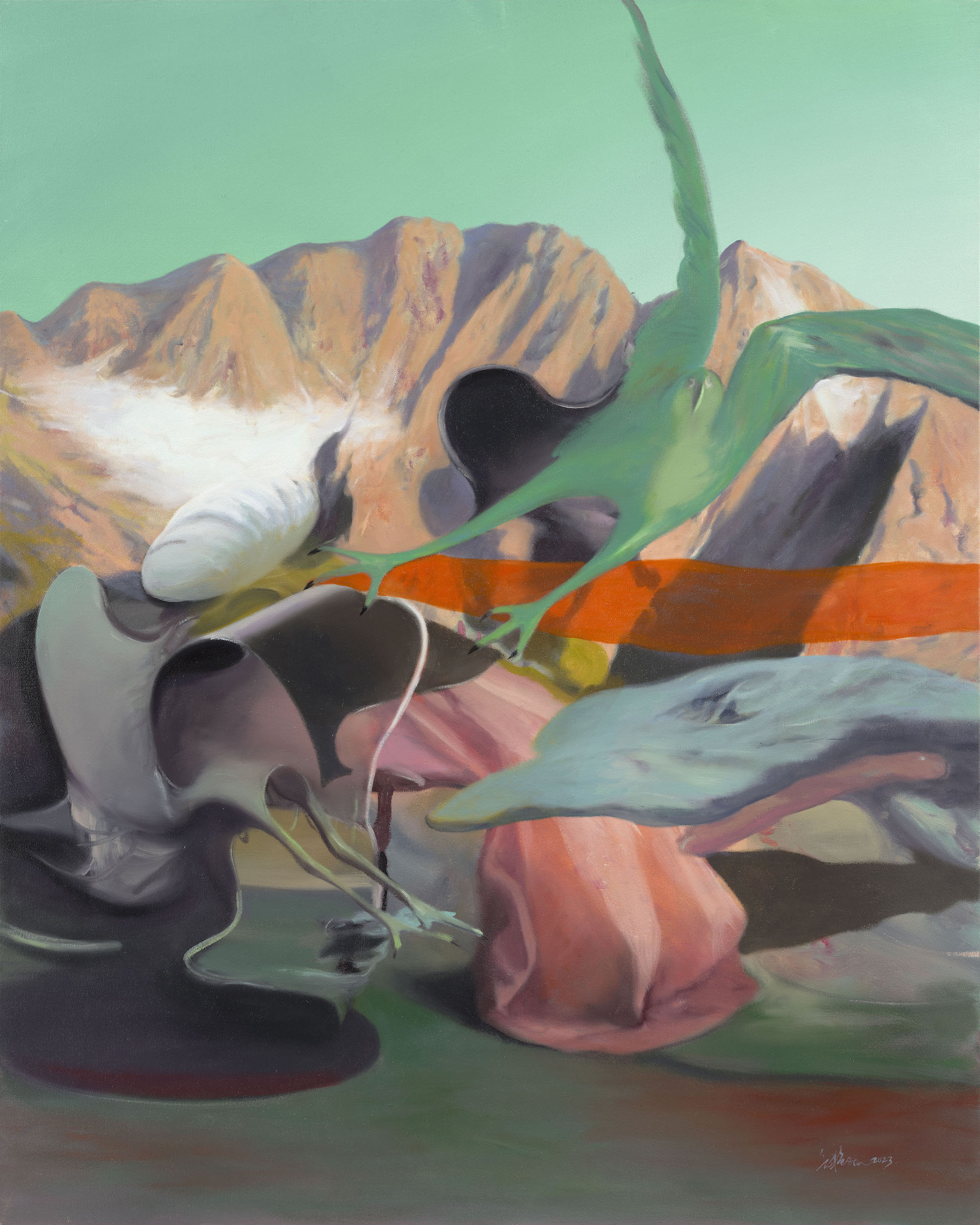
惊山鸟 Startle bird 布面油画 Oil on Canvas 72*112 cm 2023
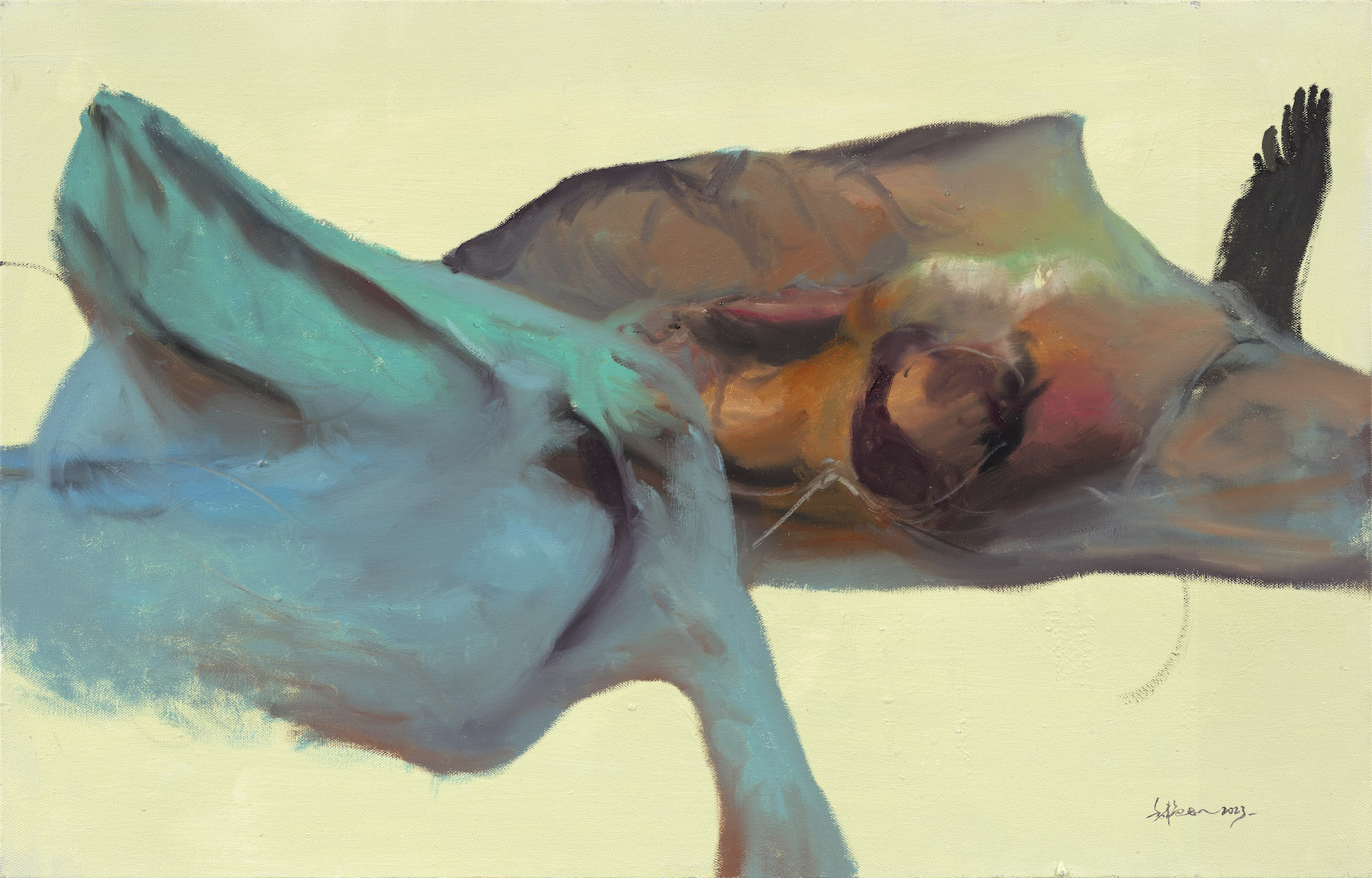
极乐 Bliss 布面油画 Oil on Canvas 72*112 cm 2023
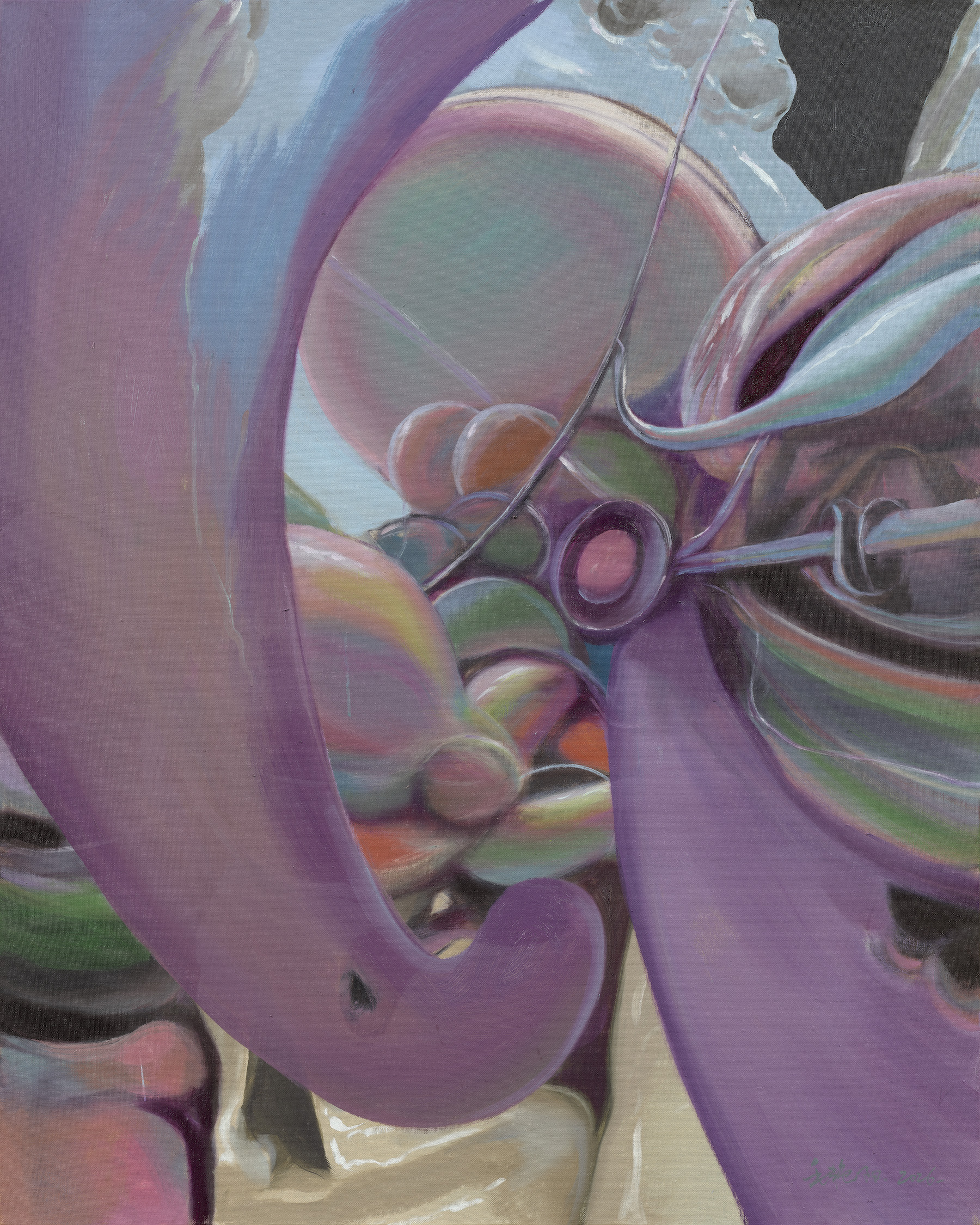
离弦 Splitting 布面油画 Oil on Canvas 100*80 cm 2026
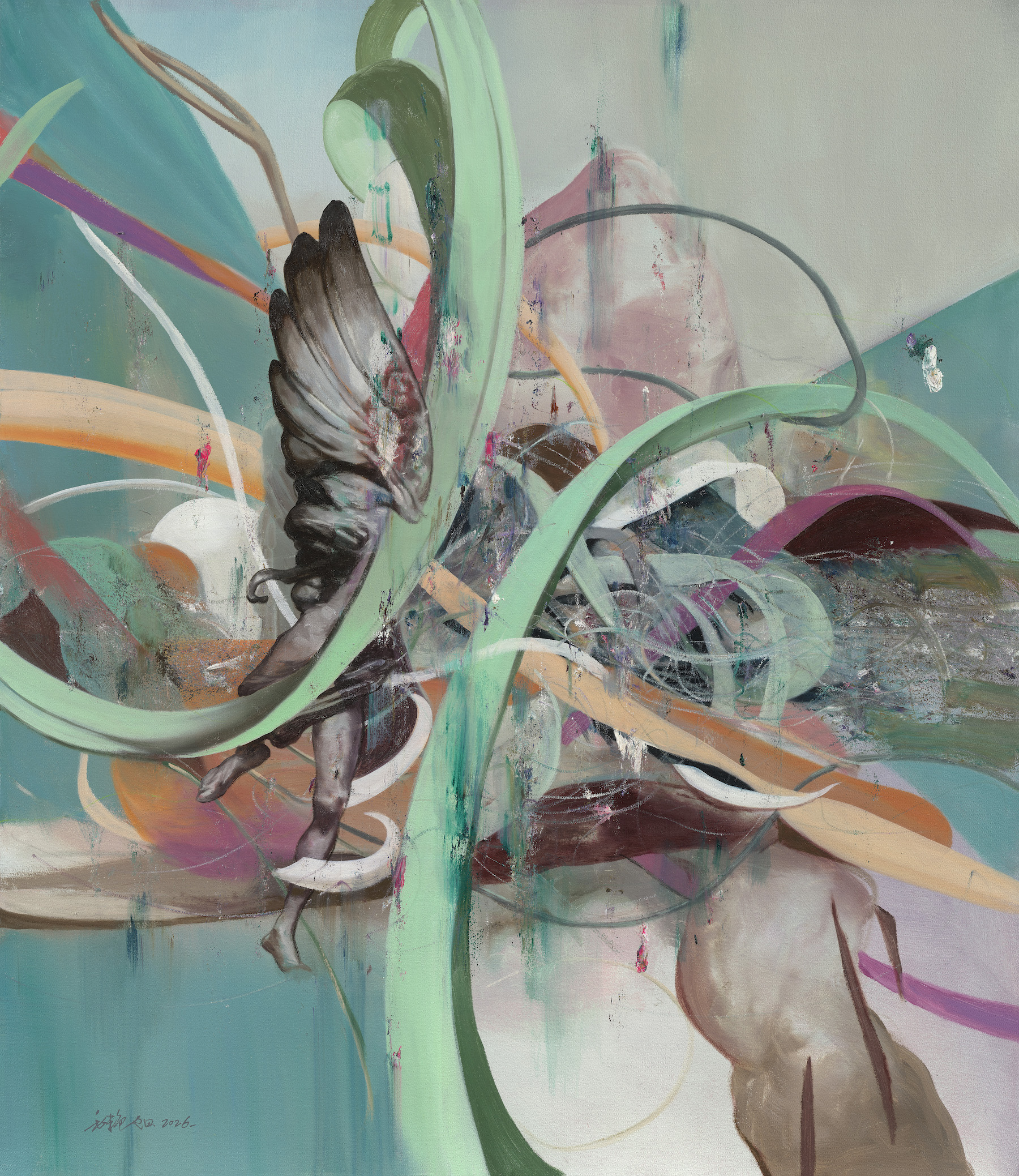
你是我的风景 You are my scenery 布面油画 Oil on Canvas 130*150 cm 2025
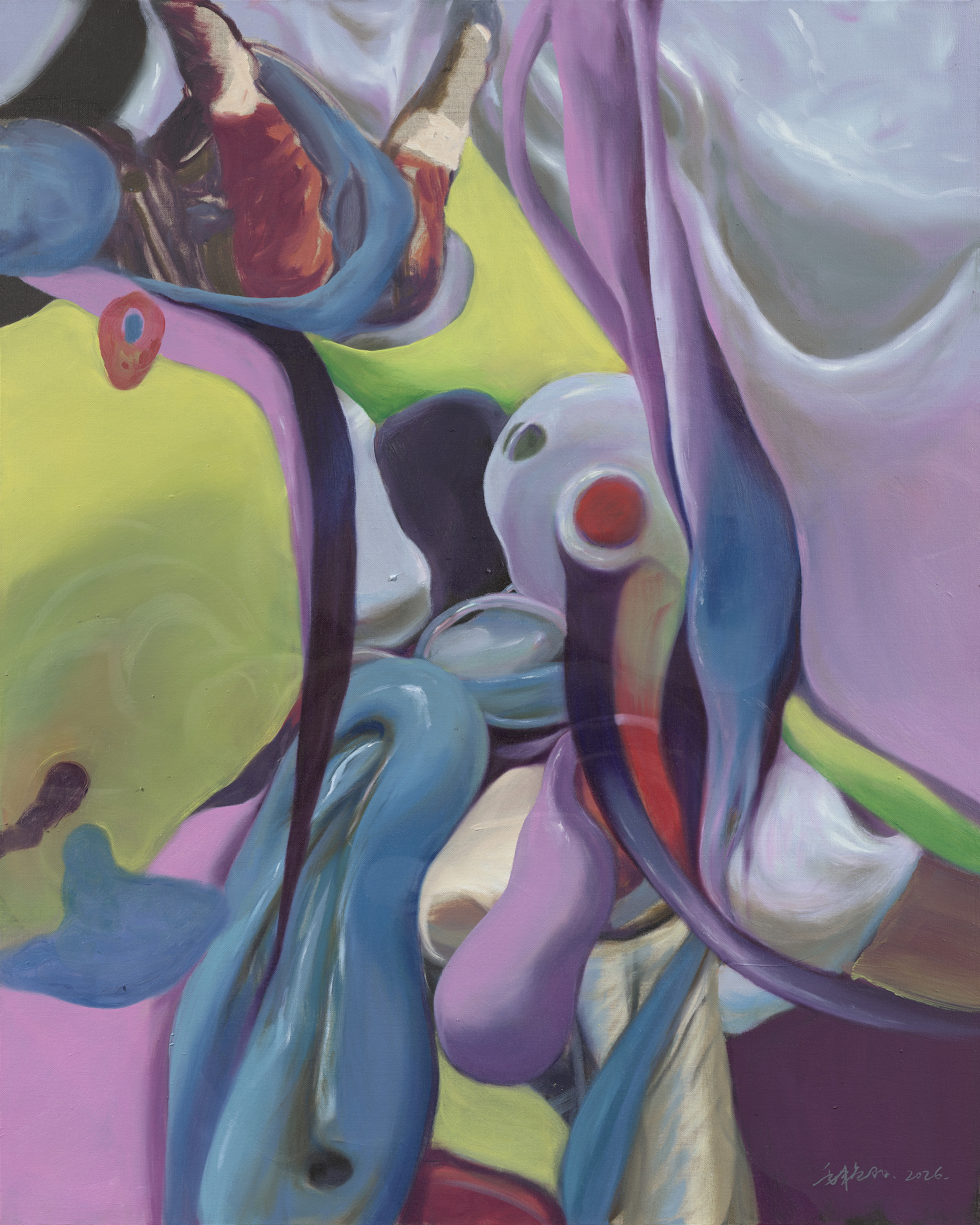
幕后者 Ramble 布面油画 Oil on Canvas 100*80 cm 2026
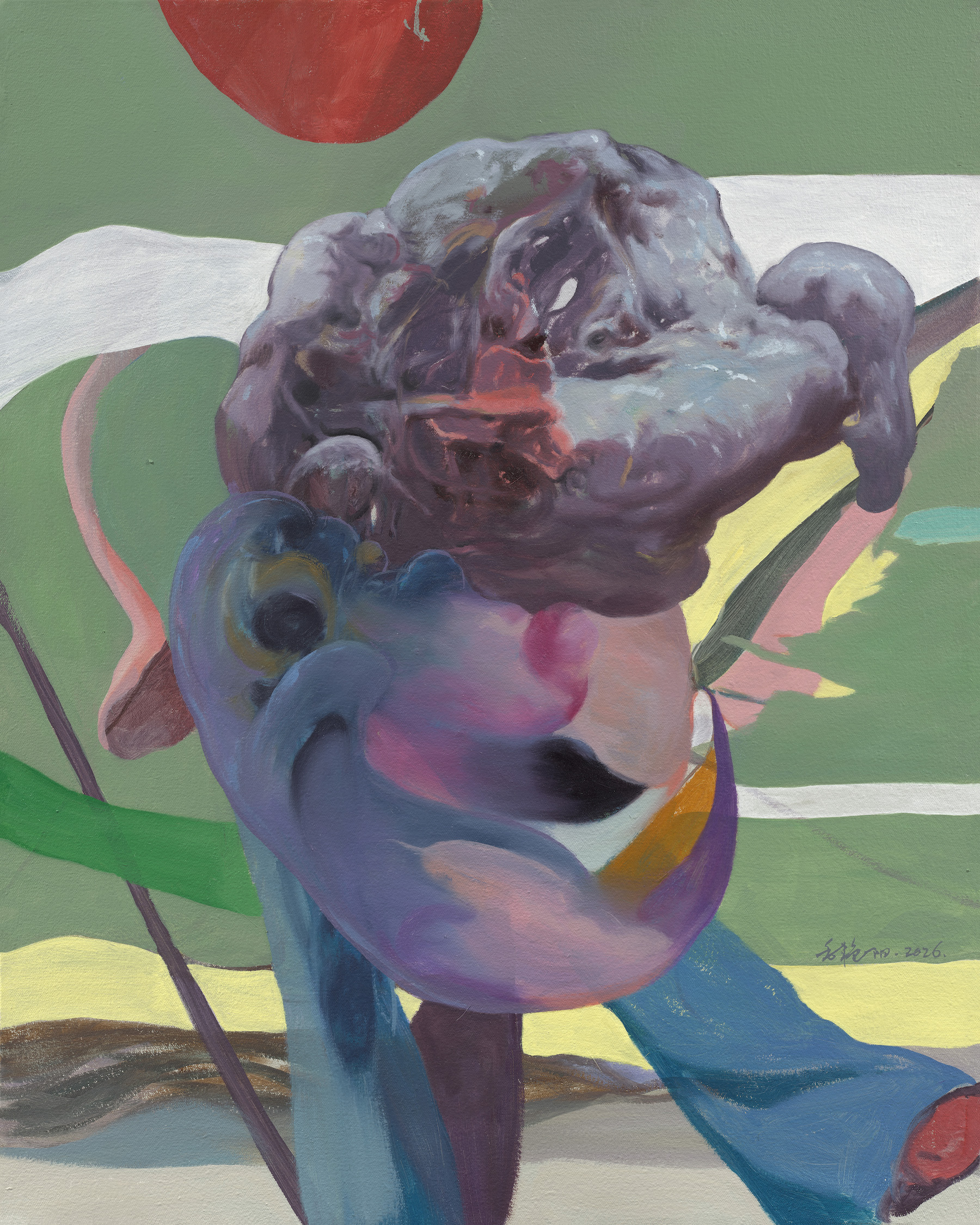
漫步 Ramble 布面油画 Oil on Canvas 100*80 cm 2026
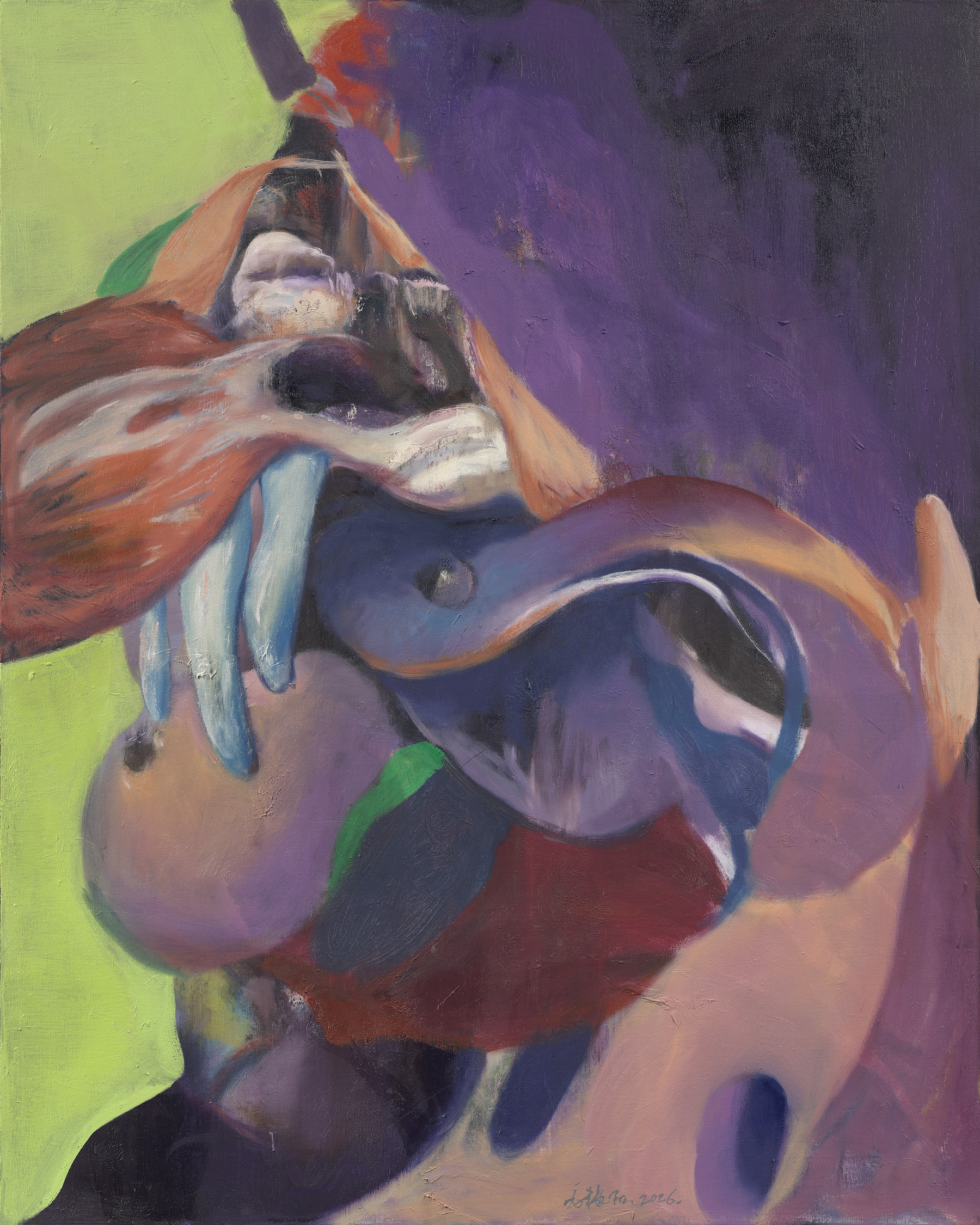
逆流成河 The river flows backward 布面油画 Oil on Canvas 80*100 cm 2026
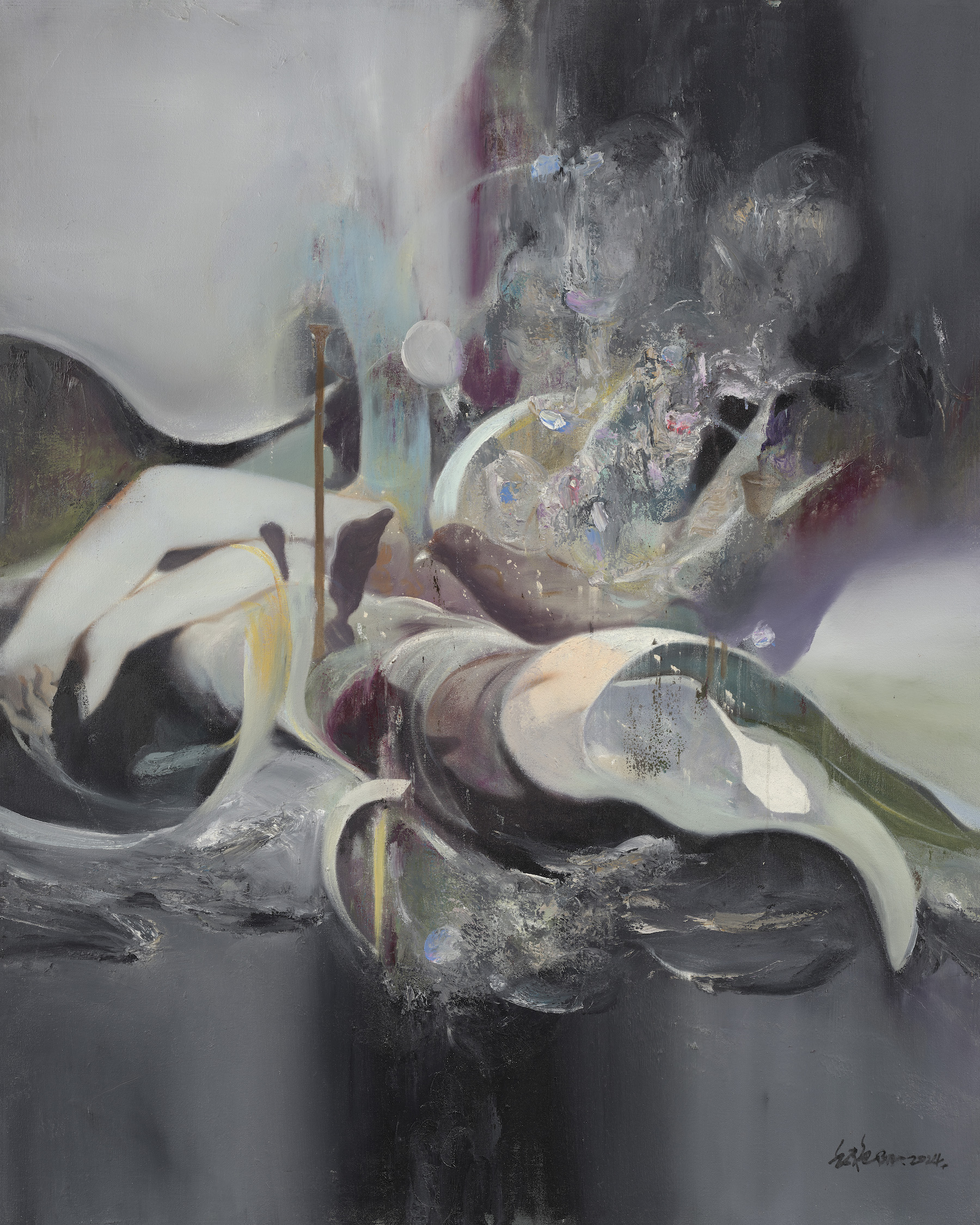
夏夜的冥想 Summer night meditation 布面油画 Oil on Canvas 120*150 cm 2023
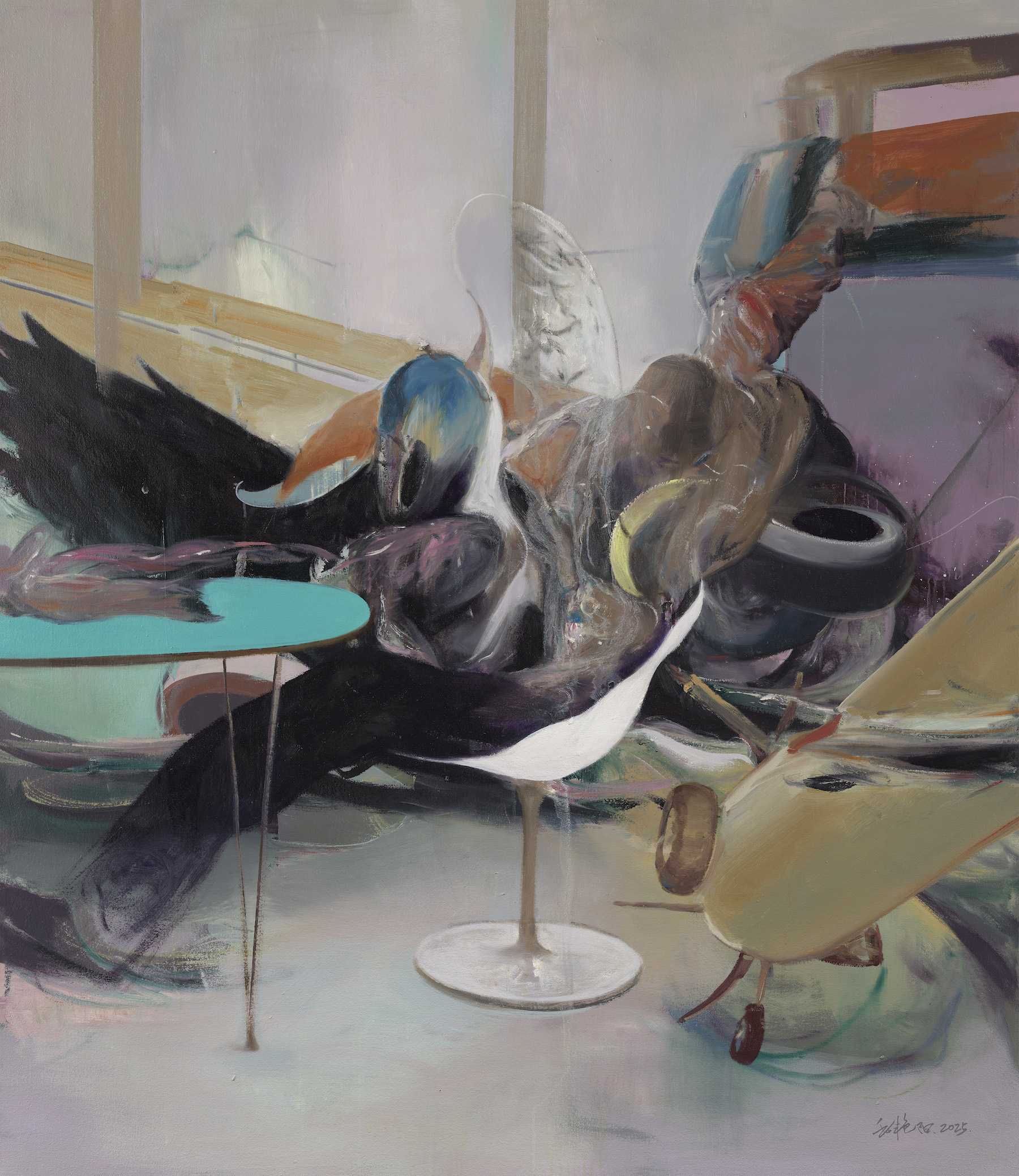
夜车 Night Train 布面油画 Oil on Canvas 130*150 cm 2025
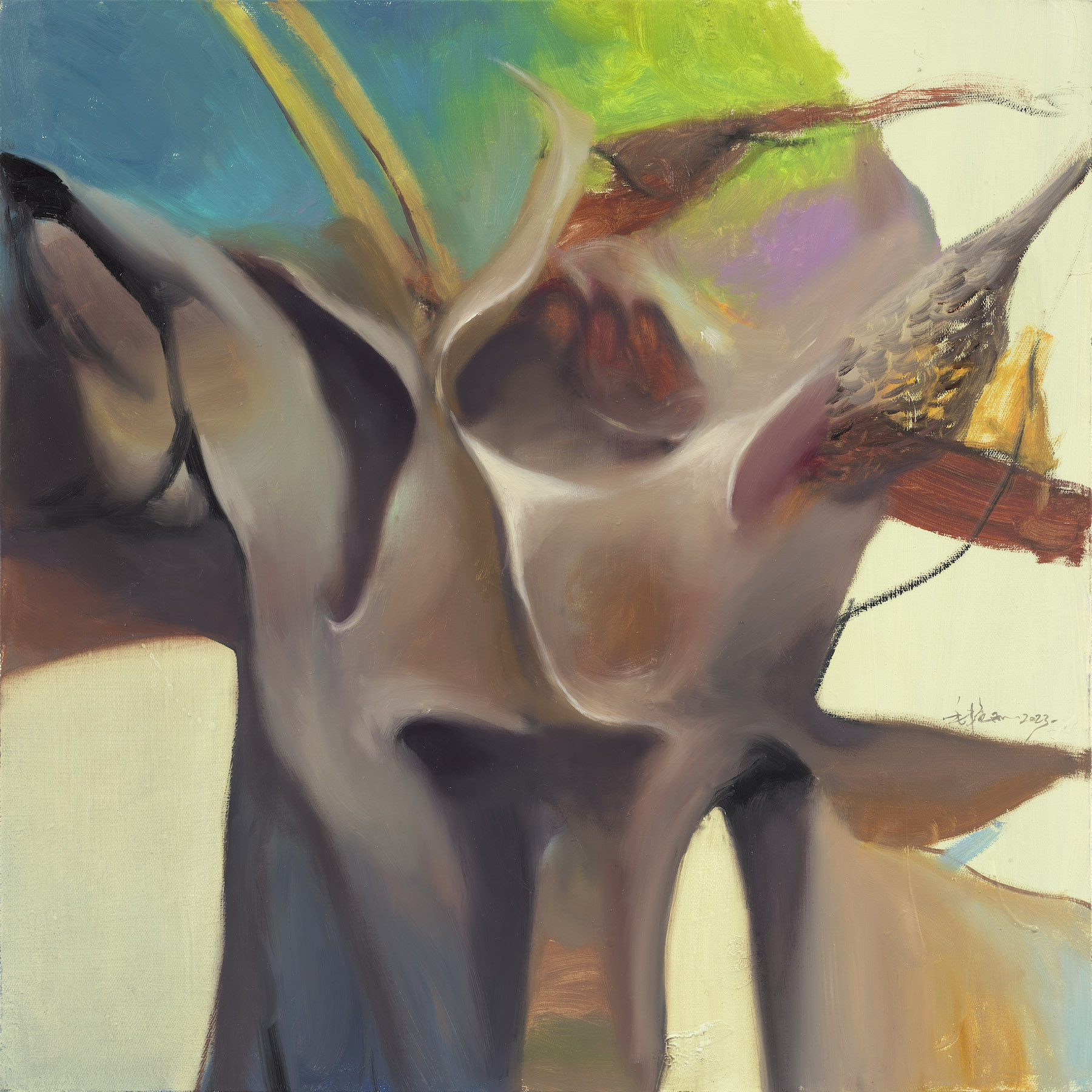
悬心 The hanging heart 布面油画 Oil on Canvas 80*80 cm 2023
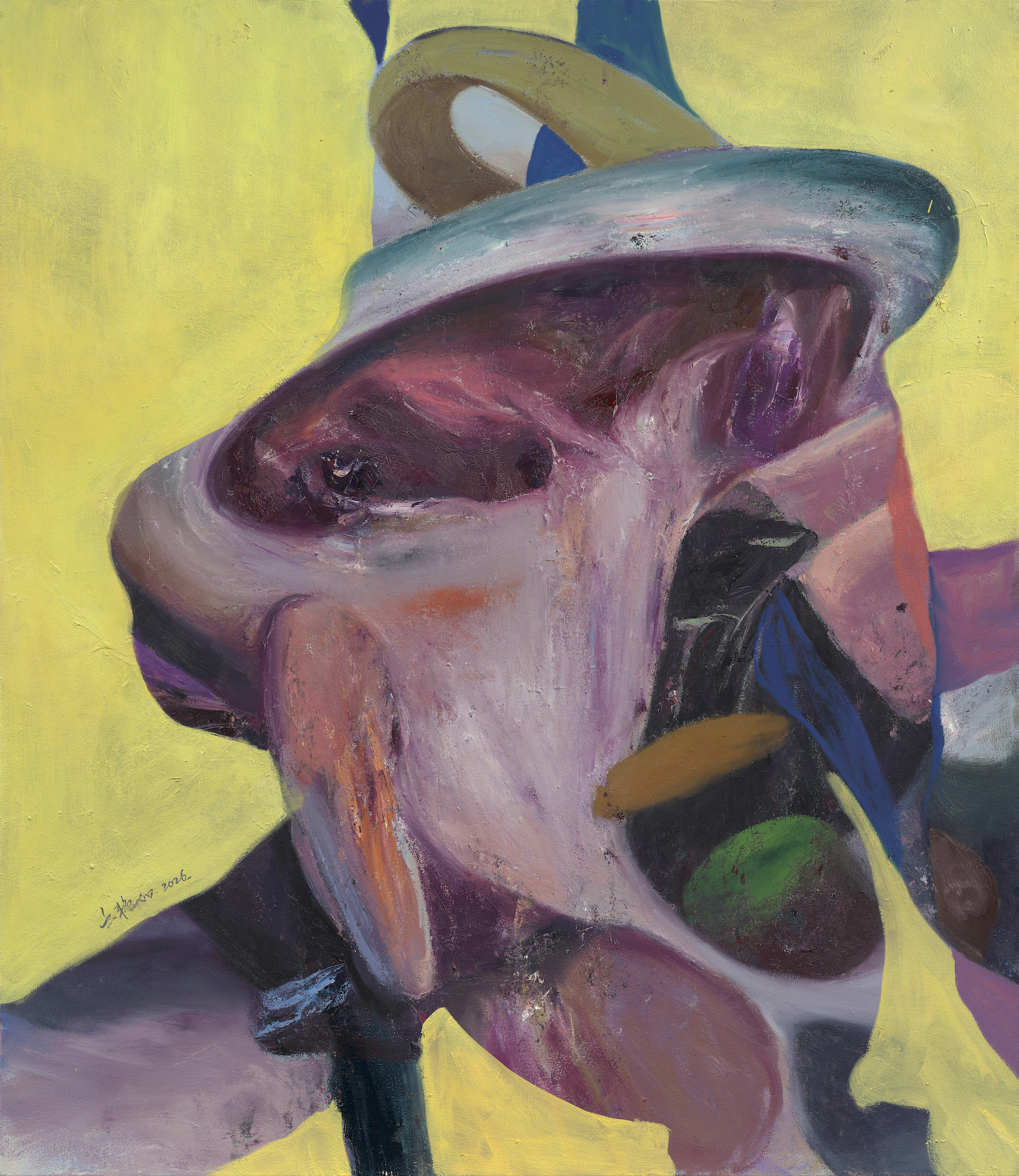
愈合 Wound Healing 布面油画 Oil on Canvas 80*100 cm 2023
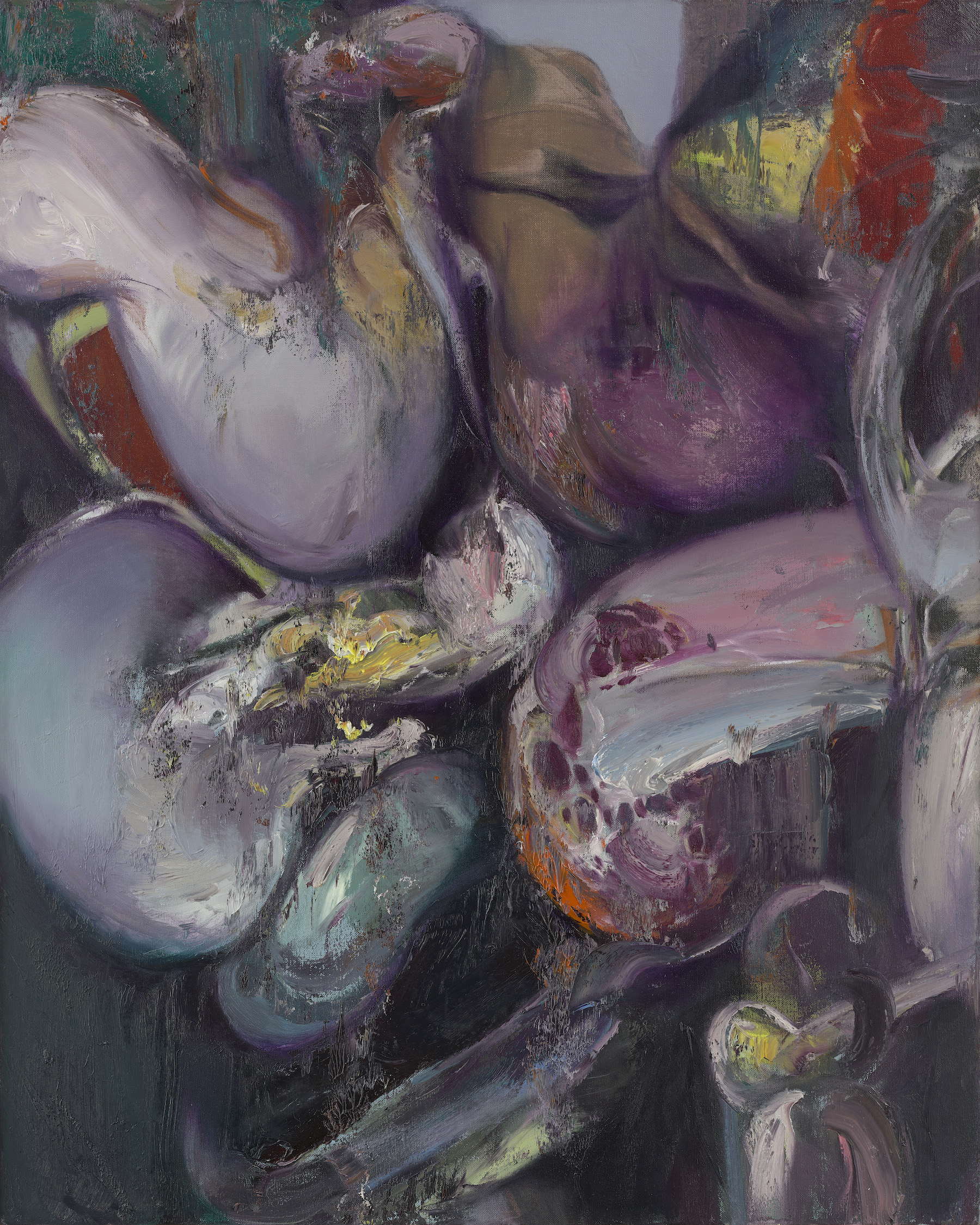
温暖你 Warm you 布面油画 Oil on Canvas 80*100 cm 2025
Art+Shanghai Gallery presents <Gyre>, a solo exhibition showcasing the new works of artist Mao Yanyang毛艳阳. The Phantom Flow series marks a significant transformation in both his artistic language and creative process. Moving away from the carefully planned compositions of his earlier paintings in the Theater Series, his new works abandon this completely in favor of a “return to human imagination.” Unfamiliar yet strangely recognizable figures, amorphous imagery, and layered surfaces create the impression of forms caught within a continuous state of change, as though they are slowly evolving toward a final stage of realism and recognition. The paintings pull the viewer into a gyre or whirlpool of the artist’s memories, imagination, and emotions. It is from this continous movement and one of his painting’s title that the exhibition name <Gyre> takes its meaning.
For Mao, this shift is closely connected to the conditions of our contemporary life. The rapid rise of artificial intelligence, social media, and the endless flow of digital imagery fundamentally altered the way images are consumed. Our visual experience has become increasingly fast and difficult to fully absorb. Images no longer require searching; they arrive constantly, accumulating faster than they can be emotionally processed. Rather than competing with the speed and perfection of digital imagery, Mao deliberately wades in the opposite direction with Phantom Flow.
Mao Yanyang resists immediacy by creating paintings that cannot be understood at first glance. He consciously interrupts the painting through layering and suprising elements, forcing the viewer to slow down and remain within uncertainty what exactly it is the painting is portraying. Shapes hover between absurdism and abstraction: a bodily fragment, an animal-like silhouette, or a familiar gesture may briefly emerge before dissolving back into paint. The eye is never allowed to move smoothly across the surface. Instead, viewers are invited to pause, search, and discover hidden pieces over time.
This sense of instability is also reflected in Mao’s work method. In his earlier Theater Series, he approached painting like a true stage director, carefully planning the mise-en-scène of his paintings. In Phantom Flow, however, Mao abandons preparatory work almost entirely. He lets intuition, memory, and imagination guide the work, resulting in a visual language that feels almost Kafkaesque in nature. Rather than deciding in advance what a painting should become, he allows forms to emerge and become what they want.
“There is no logical relationship between these images, yet they coexist naturally inside me- like in dreams, where objects from different times and spaces become strangely entagled.”
For Mao Yanyang, both materials and colors are equally important to his artistic practice. Mao paints primarily on linen canvas with hand-prepared grounds, emphasizing the physical relationship between pigment and surface. Thick layers of oil paint, scraped textures, and partially visible underlayers preserve traces of his revisions and hesitiations during his creative process. Color functions emotionally rather than symbolically: muted greys and pale whites create emptiness and distance, while sudden bursts of orange or saturated tones interrupt the surface like flashes of his memories or sensation.
Although the works often approach abstraction, Mao deliberately resists becoming fully abstract. Fragments of strangely recognizable imagery remain as a foundation within the compositions, allowing viewers to move between familiarity and uncertainty. In this way, Phantom Flow mirrors how we consume images online: constantly moving, overloaded with information, yet emotionally unsettled.
At a moment when artificial intelligence can generate endless “perfect” images, Mao Yanyang’s paintings show how imagination, memory, and emotion remain the determining forces of true art. <Gyre> invites the viewer to linger, to navigate uncertainty, and to encounter figures and forms as they are still in the process of becoming.
“In an age when everything can be automatically generated, human uncertainty is the most valuable thing left to paint.”
Mao Yanyang was born in 1980 in Hunan, China and currently resides in Chongqing. He received his M.A. degree from the Oil Painting Department of the Sichuan Fine Arts Institute and teaches at the Design Academy of Sichuan Fine Arts Institute, while also being part of the Chongqing Artists Association. His works have been widely exhibited in China and internationally, recent solo exhibitions include Vague (Xun Gallery, Taiyuan, 2023), Mao Yanyang: I am where I can think of (Gallery MC, Shenzhen, 2022) and Gap (Xu Art Space, Chongqing, 2022). Internationally, he has been exhibited in the UK with The World of Media (Chinese Art Center, Manchester, 2008) and during group exhibitions in Japan during The 35th AJAC Exhibtion (Tokyo Metropolitan Art Museum, 2009) and in Australia during the Southwest China- The Power of Growth (Asian Arts Center, Sydney, 2017).