Scan our QR code to stay updated with the recent news and upcoming events.
Scan our QR code to stay updated with the recent news and upcoming events.

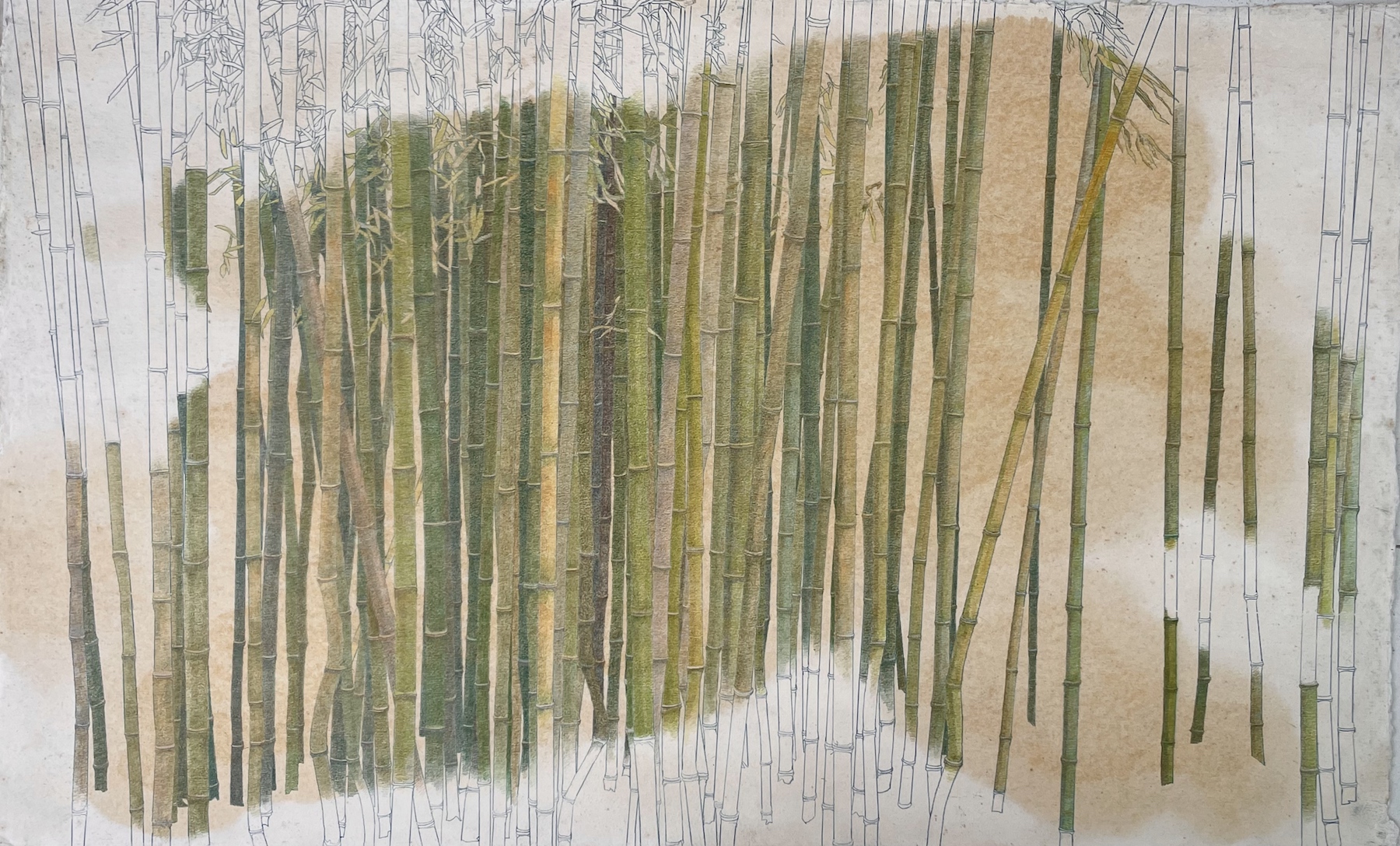
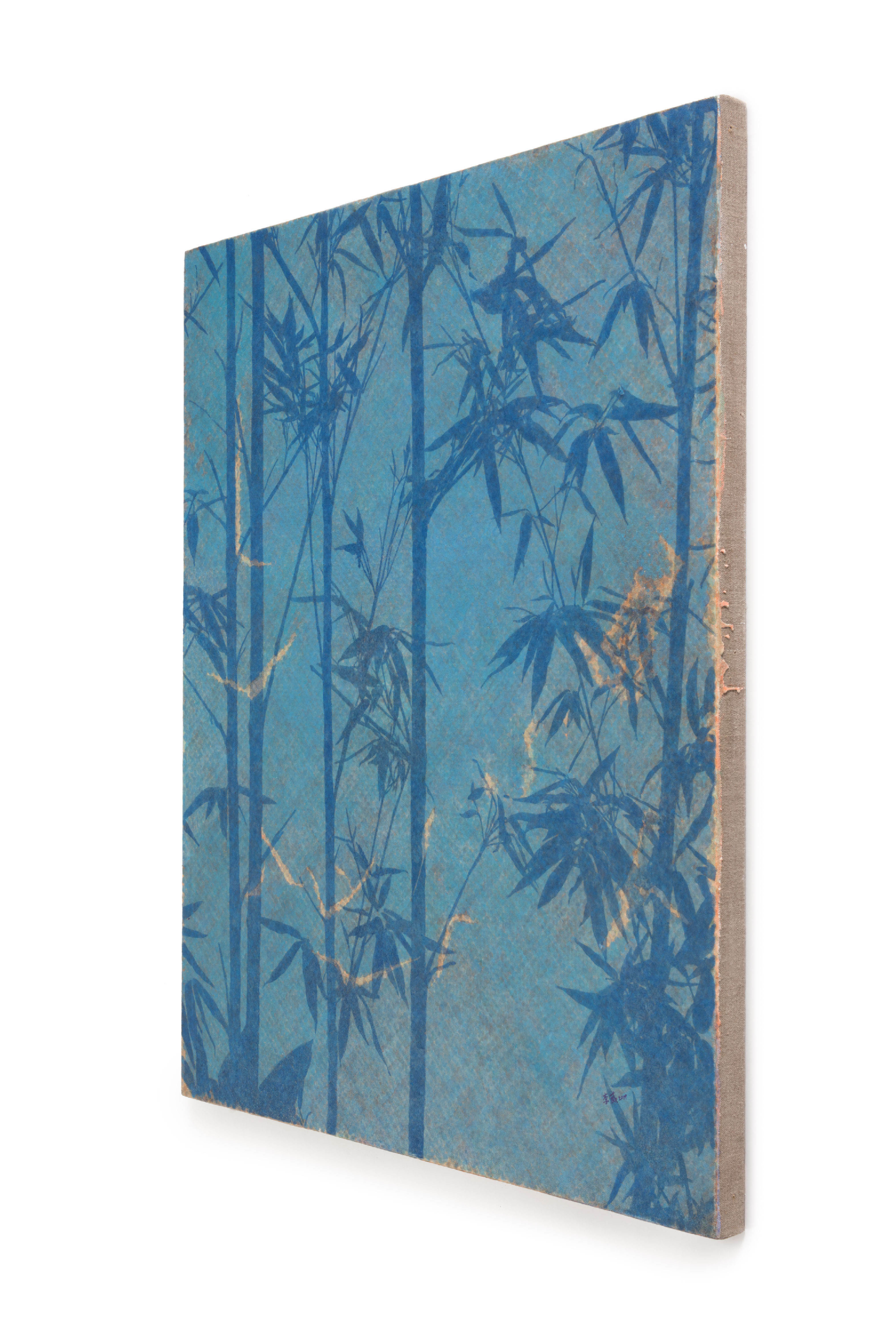
Born in Harbin, Heilongjiang Province, and now based in Hong Kong, Li Wei has developed a practice that reconfigures the visual and philosophical inheritance of Chinese painting through a distinctly contemporary language. After graduating from Nanjing Art Institute in 2003 and completing a master’s degree at the Central Academy of Fine Arts in 2007, Li began to absorb the spatial logic and compositional sensibility of mural painting into the expanded field of canvas.
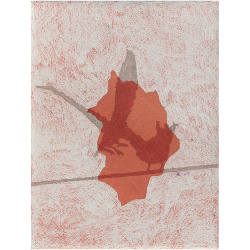
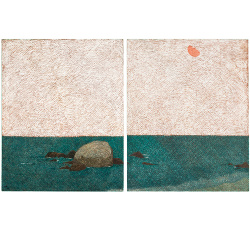
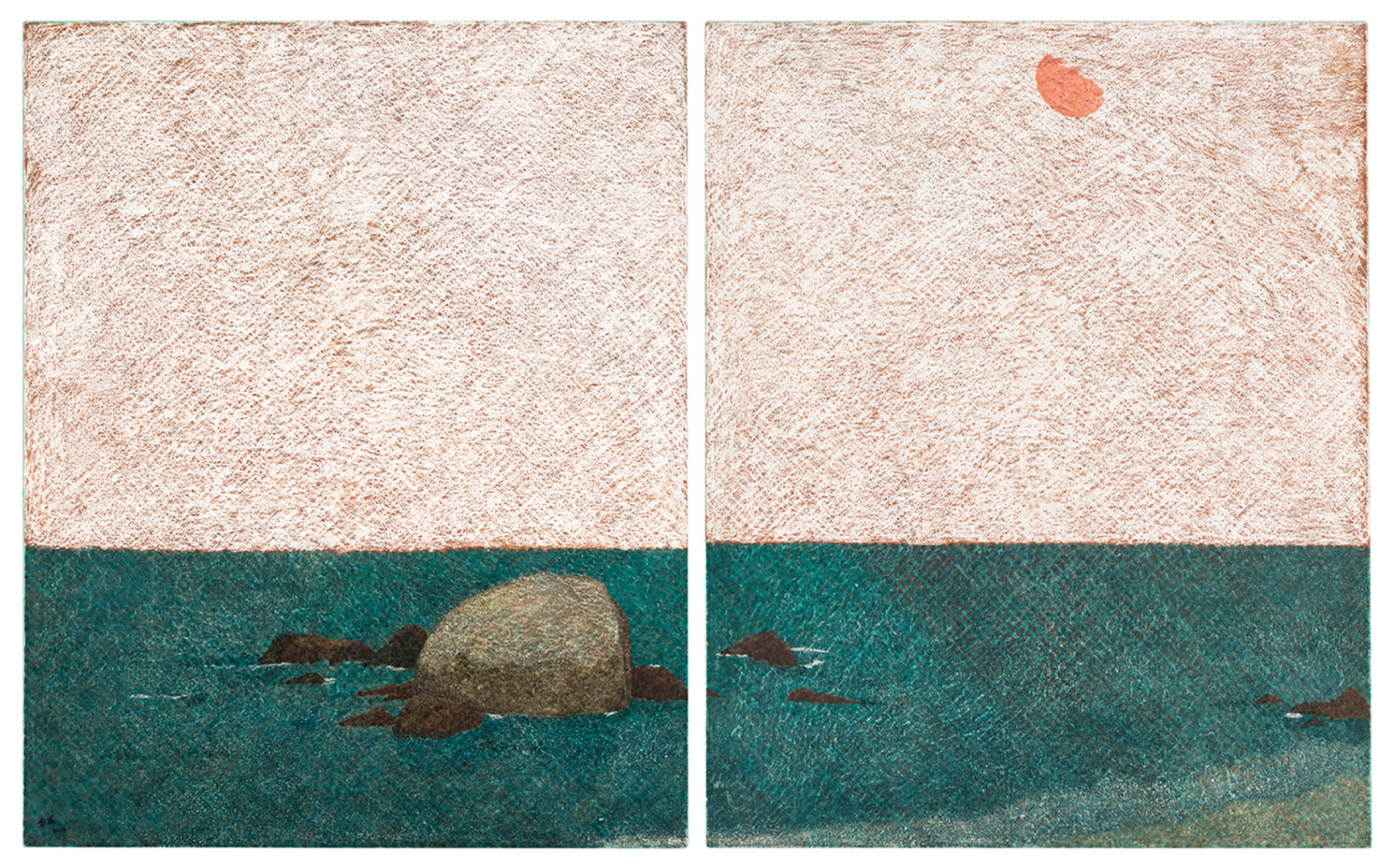
Her signature “dot-matrix” method, built through repetitive acts of layering and accumulation, transforms painting into a durational process: each surface becomes a record of time, labour, perception, and the shifting relation between the self and the world.
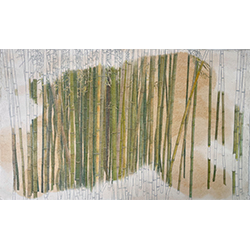
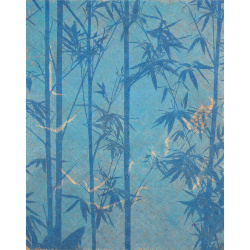
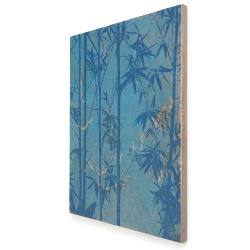
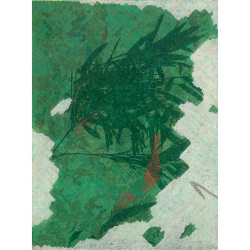
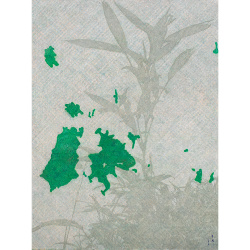
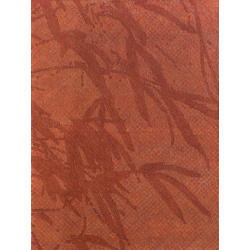
From Palace Wall Willow to the latest series of bambou , Li Wei’s works envelop the contemporary form of ink-wash painting within an atmosphere deeply inflected by classical Chinese poetry. Rather than merely citing tradition, she extracts and reconfigures symbols from Chinese literary and historical discourse, allowing them to operate as visual structures within the image. Her paintings bring together documents, poetic memory, philosophy, and theatrical sensibility, inviting viewers to enter a familiar cultural terrain made strange through contemporary pictorial invention.
Deliberately departing from the established conventions of literati painting and calligraphy, Li Wei does not reproduce tradition as style. Instead, she transforms it into a conceptual and material lexicon through which contemporary experience can be articulated. Across her works, intimate observations of daily life, historical imagination, and poetic symbolism are folded into a layered dialogue between past and present. Li Wei’s paintings thus propose tradition not as a fixed inheritance, but as a living field of reconstruction, one in which memory, image, and time continue to generate new forms of visual thought.





Born in Harbin, Heilongjiang Province, and now based in Hong Kong, Li Wei has developed a practice that reconfigures the visual and philosophical inheritance of Chinese painting through a distinctly contemporary language. After graduating from Nanjing Art Institute in 2003 and completing a master’s degree at the Central Academy of Fine Arts in 2007, Li began to absorb the spatial logic and compositional sensibility of mural painting into the expanded field of canvas.
Her signature “dot-matrix” method, built through repetitive acts of layering and accumulation, transforms painting into a durational process: each surface becomes a record of time, labour, perception, and the shifting relation between the self and the world.
From Palace Wall Willow to the latest series of bambou , Li Wei’s works envelop the contemporary form of ink-wash painting within an atmosphere deeply inflected by classical Chinese poetry. Rather than merely citing tradition, she extracts and reconfigures symbols from Chinese literary and historical discourse, allowing them to operate as visual structures within the image. Her paintings bring together documents, poetic memory, philosophy, and theatrical sensibility, inviting viewers to enter a familiar cultural terrain made strange through contemporary pictorial invention.
Deliberately departing from the established conventions of literati painting and calligraphy, Li Wei does not reproduce tradition as style. Instead, she transforms it into a conceptual and material lexicon through which contemporary experience can be articulated. Across her works, intimate observations of daily life, historical imagination, and poetic symbolism are folded into a layered dialogue between past and present. Li Wei’s paintings thus propose tradition not as a fixed inheritance, but as a living field of reconstruction, one in which memory, image, and time continue to generate new forms of visual thought.

Li Wei
1979 Born in Harbin,Heri Longjiang Province, China
1999 Graduated from TheHigh School of China Academy of Fine Arts Hangzhou China
2003 Graduated from The Oil Painning Department of Nanjing Institute of the Arts, Nanjing, China
2007 Obtained the Master degree of The Mural Department of The Central Academy of Fine Arts, Beijing China
Solo Exhibitions
2020 Whisperings, curated by Michel Baudson, Galerie Alice Mogabgab, Brussels
2016 Whisperings- Li Wei , Alice Mogabgab Gallery , Beirut, Lebanon
2015 Affect/Effect -TRansformation In The Work Of Li Wei Art+ Shanghai Gallery, Shanghai China
2015 From Autumn Leaf Roll-Li Wei Solo Exhibition, Mingtai Space Beijing China
2015 Serenity Foresight, Solo Exhibition of Li Wei, Nanjing Shi Zhu Zhai, Nanjing, China
2013 On the Horizon Solo Exhibition of Li Wei, Art+ Shanghai Gallery, Shanghai China
2012 "Matter of the Invisible"Solo Exhibition of Li Wei In-Shine Gallery Beijing China
2011 "Matter of the Invisible"Solo Exhibition of Li Wei Life of Circle Art Space Hongkong China
2011 Winding-LiWei’s solo Exhibition 2011 Beyond Art Space Beijing China
2009 Simple Complicated Solo Exhibition Tour of LiWei GeFeng Contemporary Gallery,22ART District Shenzhen China
2009 Simple Complicated Solo Exhibition Tour of LiWei Nantong Central Art Museum Nantong China
2009 Simple Complicated Solo Exhibition of Li Wei Today Art Museum Beijing China
Group Exhibitions
2025 Ways of Seeing, Group Exhibition, Art+ Shanghai Gallery
2023 How much do you feel today Highlight Art 72Club St. Singapore
2022
Lumières, Alice Mogabgab Gallery, Beirut, Lebanon
2021 ART DISCOVERY, LEI SHING HONG ART CENTER Beijing China
2021 Youth, Yunnan Literature and Art Museum Youth Art Incubator Project and Youth National Young Artist Nomination Exhibition Yunnan Literature and Art Museum Yunnan China
2020 CHINA FUTURE –The third Nomination Exhibition of Bamboo Art young artists, Jiangsu Xuanhe Art Museum Nanjing China
2020 Love-Young artists exhibition Shanghai mart exhibition center Shanghai China
2020 That Cedar Being cut down, Group exhibition with 14 artists Galerie Alice Mogabgab, Beirut, Lebanon
2020 WATER, Chinese contemporary female artists exhibition(online) ACCA Gallery Los Angeles USA
2020 INFINITY ATTITUDE Guardian Art Center, Beijing, China
2017 From Icarus To Twitter: Contemporary Allegories Galerie Alice Mogabgab, Beirut, Lebanon
2017 Asia Contemporary Art Show Hong Kong 2017 Literati Artspace Hong Kong
2017 Youth Ink Yearbook 2017 WanYing Art Museum Shijiazhuang China
2016 Dots And Pixels Galerie Alice Mogabgab, Beirut, Lebanon
2016 Pleasant Diversion-Appreciation, Enjoyment And Living Drama Exhibition , Viki Lulu House , Su Zhou ,China
2016 Art Central Hong Kong Art+ Shanghai Gallery, Hong Kong China
2016 Zao Hua –Chinese Contemporary Art Exhibition, 204 Art Space Melbourne Australia
2016 Zao Hua –Chinese Contemporary Art Exhibition Salamanca Arts Centre Hobart Australia
2015 The Diaspora of Being, Pakistan
2015 Nanjing International Youth Art Biennial, Jinling Art Museum Nanjing, China
2015 Silent Poetry-Chinese Contemporary Art Exhibition Delegation of the European Union Beijing China
2015 Silent Poetry-Chinese Contemporary Art Exhibition Adelaide Festival Centre, Adelaide Australia
2015 Silent Poetry-Chinese Contemporary Ink University Museum And Art Gallery HK China
2015 Silent Poetry-Chinese Contemporary Art Exhibition China Cultural in Sydney, Australia
2014 The Ode to Youth —China - Korea Young Artists Exhibition, Hongik Museum of Art, Korea
2014 Extra – ordinary, Agricultural Exhibition Centre Beijing China
2014 All About Stories Joy Place Levi the Art Pavilion, Beijing China
2014 IN SILENCE- China Contemporary Art, Sydney Lower Townhall Sydney Australia
2014 New Face New works K11 Art Mall Hong Kong, Hong Kong China
2014 Dialectical Territories: Landscapes and abstraction, Intelligentsia Gallery, Beijing China
2013 Context Of Contemporary Art -2013 China Annual Art Critics Nominated Exhibition, Xi An Art Museum Xi An China
2013 New Face, New Art - Chinese Emerging Contemporary Artists Colorado State University-Pueblo Fine Art Gallery, Denver U.S
2013 The sixth Chengdu Biennale Chengdu Contemporary Art Museum, Chengdu China
2013 Art Paris Art Fair, Grand Palais, Paris, France, Galerie Alice Mogabgab
2013 Endless Emerging, Gallery Y.S.T, Hongkong China
2013 The Glory of Flora, Galerie Alice Mogabgab, Beirut, Lebanon
2013 Undercurrent, New Sight Space, Beijing China
2013 Starting A New Dialogue, New Sight Space, Beijing China
2012 Art Paris Art Fair, Grand Palais, Paris, France, Galerie Alice Mogabgab
2012 Animal, curated by Luc Jacquet, Galerie Alice Mogabgab, Beirut, Lebanon
2012 Recommendation Exhibition of Art Nova 100 2012 Art Beijing Art Fair
2012 Inequality, Chinese Young Artists Group Exhibition New Sight Space Shanghai, China
2012 Water Stain on the Wall—Form of load, Zhejiang Museum of Art, Hangzhou, China
2012 CHINA:Memories &Imagination ALBEMARLE Gallery London U.K
2011 Art Forward-A Survey Exhibition of Young Artist, Taiyuan Chinese Businessman Museum,Taiyuan, China
2011” Micro- Life “Tour, Soka Art Center, Taiwan China
2011 Art Nova 100 Project "Art Nova 100"Orgnizing Committee Beijing's Ditan Park Beijing China 2011 Jinhan Exhibition Centre ,Guangzhou;Shanghai International Sculpture Exhibition Center
2011 BOUNDLESS-Young Ink Painters Guest Exhibition, Agricultural Exhibition Centre Beijing China
2011 “Micro- Life ", Soka Art Center, Beijing, China
2011 "From Trees to Forest", Galerie Alice Mogabgab Beyrouth Lebanon
2011 Infinite Multiply, Visual case-2011 Contemporary Female Artist Invitational Exhibition, Shenzhen Guanshanyue Museum, Shenzhen China
2011 Optical via Invisibility – Li Wei Shang Yixin Dual Exhibition, In-shine Gallery Beijing China
2010 Beyond Fashion, -1st Crossover between Young Chinese Fashion Designers and Young Chinese Artists, Beyond Art Space Beijing China
2010 Whisper of the wind, Chinese Artist Group Exhibition Beyond Art Space Beijing China
2010 The city: manufacturing urban landscapes Art+ Shanghai Gallery, Shanghai China
2010 Art Beijing2010 Contemporary Art Fair Thematic Exhibition Agricultural Exhibition Centre Beijing China
2009 Art Beijing 2009 Contemporary Art Fair Thematic Exhibition- Art Unforbidden, Agricultural Exhibition Centre Beijing China
2009 The Original State,2009 Art Beijing Extension-Heiqiao Studio No.1 Heiqiao Studio No.1 Beijing China
2009 METROPOLIS NOW -A Selection of Chinese Contemporary Art, Meridian international Center Washington U.S.A
2008 MY OWN WAY–Recommended Young Artists Exhibition SZ Art Center, Beijing China
2008 Heiqiao No.1 open studio, 2008 Art Beijing Extension, Beijing China
2008 Academic and Un-academic Ⅱ Exhibition Yibo Gallery, Shanghai China
2008 The first Moon River sculpture festival "source" Moon River Museum of Modern Art Beijing China
2007 Melt state, Sea whale gallery, Shanghai China
2007 Infinite Horizons Ku Art Center Beijing China
Collections
Guan Shan Yue Art Museum
Nantong Central Art Museum
Deutsche Bank Collection
DSL Collection
Cheng Du Contemporary Art Museum
Awards
First Prize of The Central Academy of Fine Arts Graduation Exhibition